Buy mohamedlouizi.eu ?
We are moving the project
mohamedlouizi.eu .
Are you interested in purchasing the domain
mohamedlouizi.eu ?
domain@kv-gmbh.de · 0541-91531010
Buy mohamedlouizi.eu ?
What is the War Guilt Debate?
The War Guilt Debate refers to the controversy surrounding the question of which country or countries were primarily responsible for starting World War I. It was a major point of contention in the aftermath of the war, with various countries and historians offering different interpretations of the events leading up to the conflict. Some argued that Germany bore the primary responsibility, while others pointed to the complex web of alliances and actions by multiple countries as the cause. The debate has continued to be a topic of historical inquiry and discussion. **
Was the Korean War a proxy war or a civil war?
The Korean War was a proxy war, as it was fought between the communist-backed North Korea and the capitalist-backed South Korea, with support and involvement from other major powers such as the United States, China, and the Soviet Union. The conflict was not solely an internal struggle within Korea, but rather a larger geopolitical struggle between the two opposing ideologies of communism and capitalism. The involvement of outside powers and the global implications of the war make it more accurately described as a proxy war rather than a civil war. **

Similar search terms for War
Top-Angebote
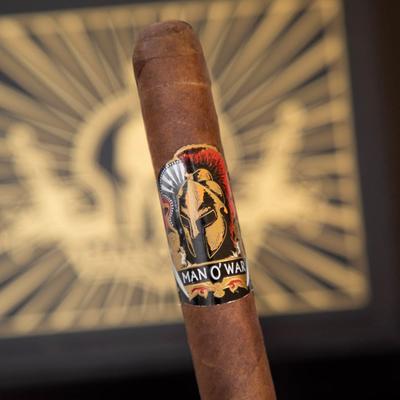
Products related to War:
-
Was Kaiser Wilhelm II's politics to blame for the First World War?
Kaiser Wilhelm II's politics certainly played a role in the outbreak of the First World War, as his aggressive foreign policy and militaristic approach contributed to the escalating tensions in Europe. His decision to pursue a policy of Weltpolitik, or world politics, aimed at expanding Germany's influence globally, led to increased competition and conflict with other major powers. Additionally, his support for Austria-Hungary during the July Crisis of 1914 and his failure to effectively manage the crisis further exacerbated the situation. While Wilhelm II's politics were a contributing factor, it is important to recognize that the causes of the First World War were complex and involved a combination of political, economic, and social factors. **
-
Is there a prediction for Corona and war in Islam?
In Islam, there are no specific predictions for the occurrence of the coronavirus or war. However, Islam does emphasize the importance of preparing for and responding to crises and conflicts with patience, compassion, and unity. Muslims are encouraged to seek knowledge, take necessary precautions, and work towards peace and justice in the face of challenges. Ultimately, Islam teaches that the future is known only to Allah, and believers are called to trust in His wisdom and guidance. **
-
What is the relationship between Islam and World War II?
During World War II, many Muslim-majority countries were directly affected by the conflict, as they were either colonized by European powers or located in strategic areas of the war. Muslims from these countries also fought in the war, with some joining the Allied forces and others fighting with the Axis powers. Additionally, the war had a significant impact on the Muslim world, leading to the eventual decolonization of many Muslim-majority countries and the redrawing of political boundaries. Overall, the relationship between Islam and World War II is complex and multifaceted, with both direct and indirect influences on the Muslim world. **
-
Is the First World War a modern war?
Yes, the First World War is considered a modern war due to the use of advanced technology and tactics that were unprecedented at the time. The war saw the introduction of new weapons such as tanks, airplanes, and chemical warfare, which changed the nature of warfare. Additionally, the scale of the conflict involving multiple countries and resulting in millions of casualties marked a departure from previous wars in terms of its global impact and devastation. Overall, the First World War is seen as a turning point in military history towards modern warfare. **
What is the motto of Wallenstein: "War feeds war" in the Thirty Years' War?
The motto "War feeds war" reflects the strategy of Wallenstein, a prominent military leader in the Thirty Years' War. It suggests that the continuation of war is necessary for its sustenance, as it provides resources, power, and opportunities for those involved in the conflict. This motto encapsulates the idea that war perpetuates itself, creating a cycle of violence and destruction. Wallenstein's approach to warfare was characterized by aggressive tactics and a focus on maintaining and expanding his military influence, making this motto a fitting representation of his approach to the conflict. **
How did the Second World War turn from a European war into a world war?
The Second World War turned from a European war into a world war primarily due to the expansionist policies of Nazi Germany and Japan. Germany's invasion of Poland in 1939 prompted Britain and France to declare war, drawing in their colonies and allies from around the world. Japan's aggressive actions in Asia, such as the invasion of China and the attack on Pearl Harbor in 1941, further escalated the conflict by involving countries in the Pacific and Southeast Asia. The alliances formed between the Axis powers and the Allied powers also contributed to the global nature of the war, as countries from different regions joined the fight on either side. **
Top-Angebote
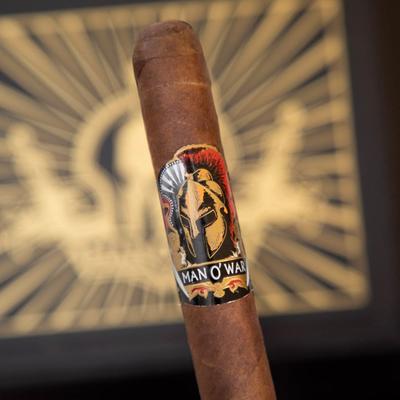
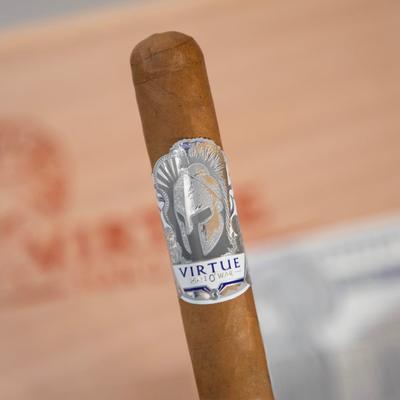
Products related to War:
-
What is the War Guilt Debate?
The War Guilt Debate refers to the controversy surrounding the question of which country or countries were primarily responsible for starting World War I. It was a major point of contention in the aftermath of the war, with various countries and historians offering different interpretations of the events leading up to the conflict. Some argued that Germany bore the primary responsibility, while others pointed to the complex web of alliances and actions by multiple countries as the cause. The debate has continued to be a topic of historical inquiry and discussion. **
-
Was the Korean War a proxy war or a civil war?
The Korean War was a proxy war, as it was fought between the communist-backed North Korea and the capitalist-backed South Korea, with support and involvement from other major powers such as the United States, China, and the Soviet Union. The conflict was not solely an internal struggle within Korea, but rather a larger geopolitical struggle between the two opposing ideologies of communism and capitalism. The involvement of outside powers and the global implications of the war make it more accurately described as a proxy war rather than a civil war. **
-
Was Kaiser Wilhelm II's politics to blame for the First World War?
Kaiser Wilhelm II's politics certainly played a role in the outbreak of the First World War, as his aggressive foreign policy and militaristic approach contributed to the escalating tensions in Europe. His decision to pursue a policy of Weltpolitik, or world politics, aimed at expanding Germany's influence globally, led to increased competition and conflict with other major powers. Additionally, his support for Austria-Hungary during the July Crisis of 1914 and his failure to effectively manage the crisis further exacerbated the situation. While Wilhelm II's politics were a contributing factor, it is important to recognize that the causes of the First World War were complex and involved a combination of political, economic, and social factors. **
-
Is there a prediction for Corona and war in Islam?
In Islam, there are no specific predictions for the occurrence of the coronavirus or war. However, Islam does emphasize the importance of preparing for and responding to crises and conflicts with patience, compassion, and unity. Muslims are encouraged to seek knowledge, take necessary precautions, and work towards peace and justice in the face of challenges. Ultimately, Islam teaches that the future is known only to Allah, and believers are called to trust in His wisdom and guidance. **
Similar search terms for War
-
What is the relationship between Islam and World War II?
During World War II, many Muslim-majority countries were directly affected by the conflict, as they were either colonized by European powers or located in strategic areas of the war. Muslims from these countries also fought in the war, with some joining the Allied forces and others fighting with the Axis powers. Additionally, the war had a significant impact on the Muslim world, leading to the eventual decolonization of many Muslim-majority countries and the redrawing of political boundaries. Overall, the relationship between Islam and World War II is complex and multifaceted, with both direct and indirect influences on the Muslim world. **
-
Is the First World War a modern war?
Yes, the First World War is considered a modern war due to the use of advanced technology and tactics that were unprecedented at the time. The war saw the introduction of new weapons such as tanks, airplanes, and chemical warfare, which changed the nature of warfare. Additionally, the scale of the conflict involving multiple countries and resulting in millions of casualties marked a departure from previous wars in terms of its global impact and devastation. Overall, the First World War is seen as a turning point in military history towards modern warfare. **
-
What is the motto of Wallenstein: "War feeds war" in the Thirty Years' War?
The motto "War feeds war" reflects the strategy of Wallenstein, a prominent military leader in the Thirty Years' War. It suggests that the continuation of war is necessary for its sustenance, as it provides resources, power, and opportunities for those involved in the conflict. This motto encapsulates the idea that war perpetuates itself, creating a cycle of violence and destruction. Wallenstein's approach to warfare was characterized by aggressive tactics and a focus on maintaining and expanding his military influence, making this motto a fitting representation of his approach to the conflict. **
-
How did the Second World War turn from a European war into a world war?
The Second World War turned from a European war into a world war primarily due to the expansionist policies of Nazi Germany and Japan. Germany's invasion of Poland in 1939 prompted Britain and France to declare war, drawing in their colonies and allies from around the world. Japan's aggressive actions in Asia, such as the invasion of China and the attack on Pearl Harbor in 1941, further escalated the conflict by involving countries in the Pacific and Southeast Asia. The alliances formed between the Axis powers and the Allied powers also contributed to the global nature of the war, as countries from different regions joined the fight on either side. **
* All prices are inclusive of VAT and, if applicable, plus shipping costs. The offer information is based on the details provided by the respective shop and is updated through automated processes. Real-time updates do not occur, so deviations can occur in individual cases. ** Note: Parts of this content were created by AI.