Buy mohamedlouizi.eu ?
We are moving the project
mohamedlouizi.eu .
Are you interested in purchasing the domain
mohamedlouizi.eu ?
domain@kv-gmbh.de · 0541-91531010
Buy mohamedlouizi.eu ?
What are colonies?
Colonies are territories or regions that are controlled and governed by a more powerful country or state. The ruling country typically establishes control over the colony for economic, political, or strategic reasons. Colonies are often established through conquest, settlement, or trade, and the ruling country may impose its own laws, customs, and language on the colony. Throughout history, many countries have established colonies around the world, leading to significant cultural, social, and economic impacts on both the ruling country and the colonized region. **
Should colonies be removed?
The decision to remove colonies should be carefully considered on a case-by-case basis. Colonies can have negative impacts on native ecosystems and species, and can also pose health and safety risks to humans. However, removal should be approached with caution, as it can disrupt the balance of local ecosystems and may not always be the most effective solution. It is important to consider alternative methods of managing colonies, such as habitat modification or relocation, before resorting to removal. Ultimately, the decision should be made with the goal of minimizing harm to both the environment and the animals involved. **
Similar search terms for Colonies
Top-Angebote
Products related to Colonies:
-
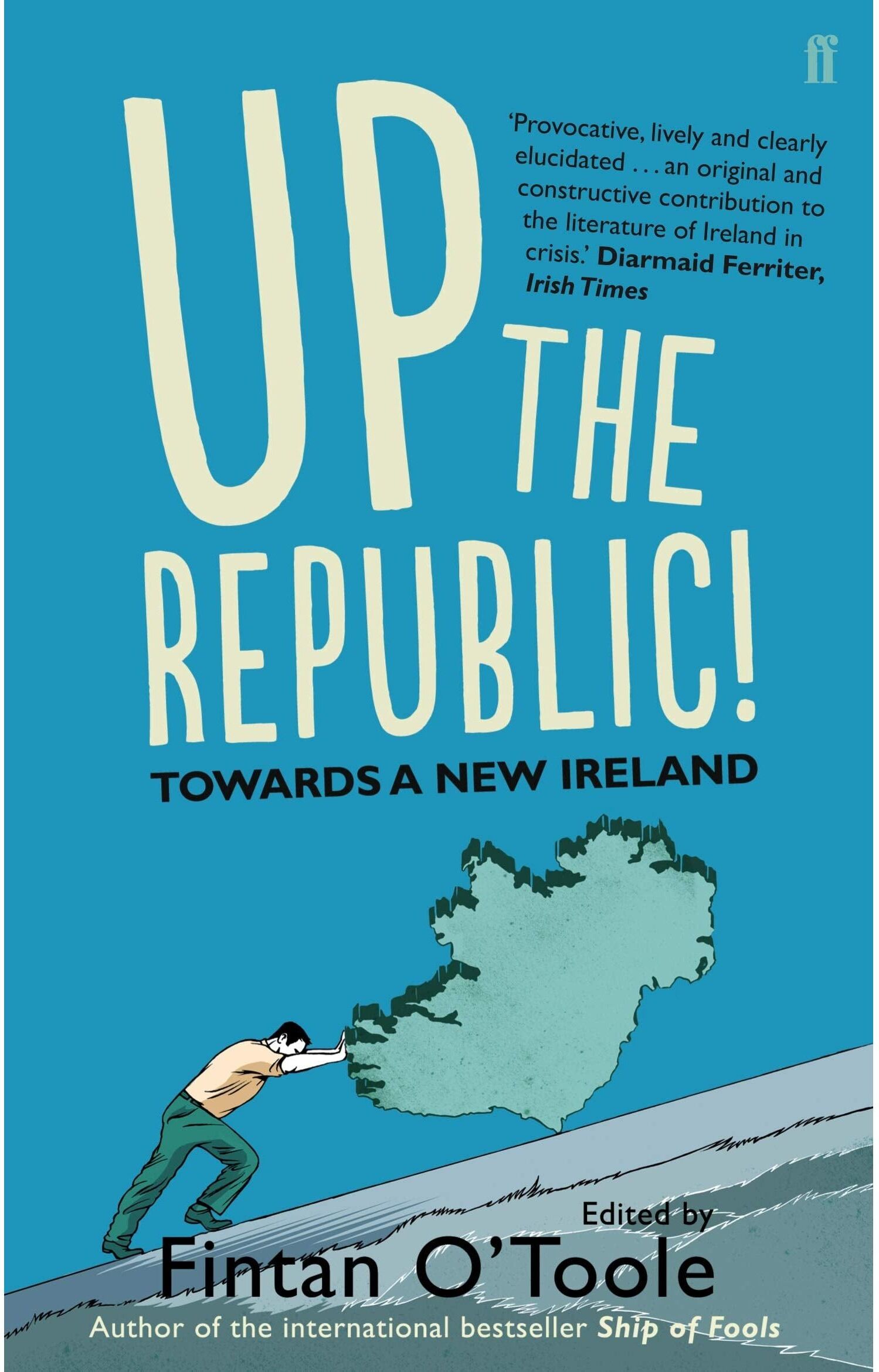
Faber Fintan O'Toole, Up the Republic! (Economic Book, Politics Book)Fintan O'Toole, Up the Republic! (Economic Book, Politics Book) In this important book, historians, lawyers, economists and writers come together to put a coherent case: that although the Irish economic collapse has resulted in national humiliation, renewed emigration and a decline in living standards for the majority of the population, there is still hope that the country can be reformed and renewed. Irish politicians offered the now notorious blanket guarantee to all the banks which had got in over their heads during the great property bubble - including one that had become little more than a criminal enterprise. A different set of politicians grimly enforces the consequences of that guarantee, locking an entire generation of Irish men and women into paying for the mistakes of greedy bankers and their corrupt friends in government. The energy of hope has to come from elsewhere. These essays demonstrate how simple measures and different economic and social policies could release that energy and fulfil the promise of an educated, literate and culturally vibrant people.4,99 £*Shipping: 1,99 £Secure redirect to the provider
-
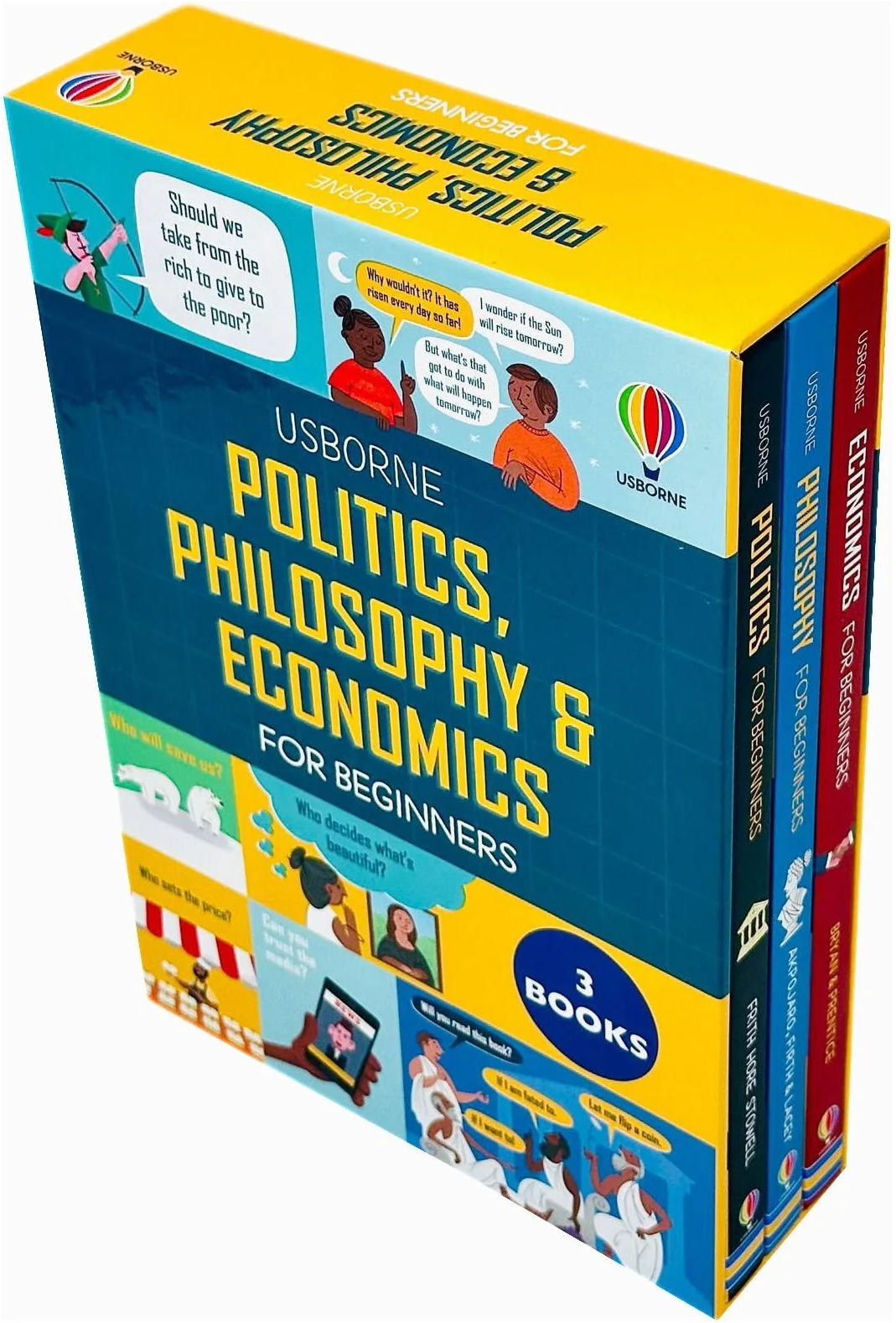
Usborne Big Subjects For Beginners 3 Books Box Set (Politics, Philosophy and Economics)Usborne Big Subjects For Beginners 3 Books Box Set (Politics, Philosophy and Economics) Economics for Beginners Nobody has everything they need, all the time - so how can we make do with what we have? Economics is all about understanding the choices we make to solve this problem. With bright, infographics pictures, this informative book describes why markets. Politics for Beginners With Brexit looming and constant political uncertainty in the UK, people are more confused by politics than ever before. Politics for Beginners answers the questions that people are afraid to ask, offering a no-nonsense guide to what politics is all about. Philosophy for Beginners Philosophy is a way of thinking about just about anything. It asks big questions, such as "how can I be good?" or "what makes something beautiful?" Using lively examples, humorous illustrations and simple thought experiments, this book opens up the world of philosophy to both children and adults and includes links to recommended. Related Tags: Usborne, Usbourne Books14,95 £*Shipping: 2,99 £Secure redirect to the provider
-
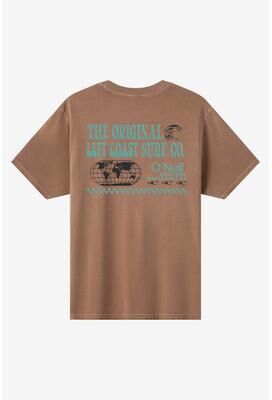
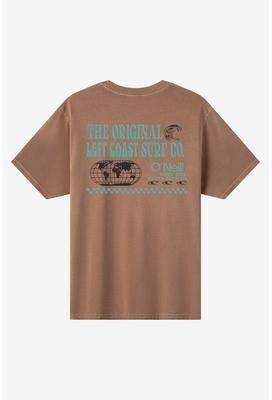
O'Neill s O'riginals Reform Vintage T-Shirt in Carob Brown, Size SmallThe O'Riginals Men's Reform Vintage Short Sleeve Tee is crafted from 100% organic cotton with a relaxed fit that moves with you. This O'Riginals tee features garment-dyed fabric and crackle ink graphics for that perfectly worn-in look. Built...38,00 $*Shipping: 0,00 $Secure redirect to the provider
-
O'Neill s O'riginals Reform Vintage T-Shirt in Carob Brown, Size MediumThe O'Riginals Men's Reform Vintage Short Sleeve Tee is crafted from 100% organic cotton with a relaxed fit that moves with you. This O'Riginals tee features garment-dyed fabric and crackle ink graphics for that perfectly worn-in look. Built...38,00 $*Shipping: 0,00 $Secure redirect to the provider

-
Which of the 13 English colonies clearly show that they are British colonies?
All 13 English colonies were British colonies, but some like Virginia, Massachusetts, and New York clearly demonstrate their British roots through their establishment by British settlers, adherence to British laws and governance, and economic ties to Britain through trade and commerce. These colonies maintained strong cultural, political, and economic connections to Britain, which influenced their development and identity as British colonies. **
-
Which of the 13 English colonies clearly demonstrate that they are British colonies?
The colony of Virginia clearly demonstrates that it is a British colony. Virginia was the first permanent English settlement in North America, established in 1607. It was named after Queen Elizabeth I, who was known as the "Virgin Queen." Virginia's government and society were heavily influenced by British customs and laws, and it played a significant role in the British colonial system. Additionally, Virginia was a royal colony, meaning it was under direct control of the British crown. **
-
What are the Belgian colonies?
The Belgian colonies were territories that were under the control of Belgium during the colonial period. The most notable Belgian colonies were the Congo Free State (later known as the Belgian Congo) in Central Africa, and Rwanda and Burundi in East Africa. These colonies were established by King Leopold II in the late 19th century and were known for their brutal exploitation of the local populations, particularly in the case of the Congo Free State. Belgium's colonial rule in these territories lasted until the mid-20th century, when they gained independence. **
-
Why was Bismarck against colonies?
Bismarck was against colonies because he believed that they would distract Germany from its main goal of unifying and strengthening its own territory. He also feared that colonies would lead to costly overseas conflicts and divert resources away from domestic development. Additionally, Bismarck was concerned that colonies would create tensions with other European powers and potentially lead to conflicts that could threaten Germany's security. Therefore, he focused on building up Germany's power within Europe rather than seeking overseas colonies. **

Did Austria-Hungary have colonies?
Yes, Austria-Hungary did have colonies. The empire had control over territories in Africa, including parts of present-day Tanzania, Burundi, and Rwanda. These territories were acquired through treaties and agreements with other European powers during the "Scramble for Africa" in the late 19th century. However, Austria-Hungary's colonial holdings were relatively small compared to other European powers, and the empire's focus remained primarily on its holdings in Europe. **
What are North American colonies?
North American colonies refer to the territories in North America that were established and governed by European powers, primarily England, France, and Spain, during the 16th to 18th centuries. These colonies were used for economic purposes such as resource extraction, trade, and agriculture, and were often subject to the laws and regulations of the mother country. Over time, many of these colonies gained independence and eventually formed the countries we know today, such as the United States and Canada. **
Top-Angebote
Products related to Colonies:
-
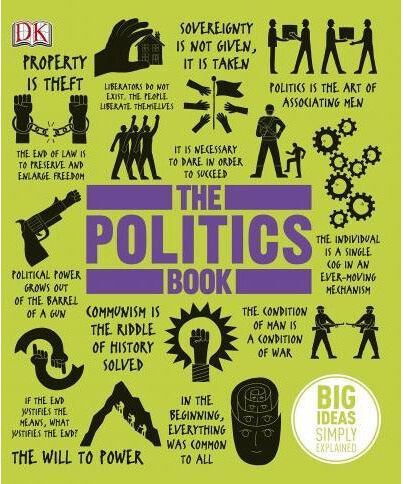
DK The Politics Book - Big Ideas Simply ExplainedThis invaluable; easy-to-understand guide to world politics and government offers an accessible introduction to more than 80 of the most important theories and big ideas of leaders and politicians throughout history. The Politics Book makes government and politics easy to understand by explaining the big ideas simply; using clear language supported by eye-catching graphics. The key events in political history are outlined from the origins of political thinking by Confucius and Aristotle to modern-day activists such as Martin Luther King and Nelson Mandela. Helpful mind maps break down their important concepts into bitesize chunks to make the subject accessible to students of politics and anyone with an interest in how government works. A handy reference section also provides a glossary of key terms and a directory of significant political figures. Filled with thought-provoking quotes from great political thinkers such as Nietzsche; Malcolm X; Karl Marx; and Mao Zedong; The Politics Book gives context to the world of government and power.12,99 £*Shipping: 2,99 £Secure redirect to the provider
-
The Little Book of Politics (DK Big Ideas Series)This politics book is the perfect pocket-sized introduction to politics ideas and political thought throughout history. From the origins of democracy to Machiavelli's cunning statecraft, and from Rousseau's "social contract" to the American Declaration of Independence, Marxist communism, the dawn of populism, and identity politics, The Little Book of Politics examines the philosophies behind the different political beliefs and methods of government used around the world over the course of human history. Packed with diagrams and flowcharts that explain complex concepts in a simple but exciting way, this introduction to politics offers you a combination of clear text and hard-working diagrams in a portable format that is perfect for reading on the go.5,99 £*Shipping: 2,99 £Secure redirect to the provider
-
Faber Fintan O'Toole, Up the Republic! (Economic Book, Politics Book)Fintan O'Toole, Up the Republic! (Economic Book, Politics Book) In this important book, historians, lawyers, economists and writers come together to put a coherent case: that although the Irish economic collapse has resulted in national humiliation, renewed emigration and a decline in living standards for the majority of the population, there is still hope that the country can be reformed and renewed. Irish politicians offered the now notorious blanket guarantee to all the banks which had got in over their heads during the great property bubble - including one that had become little more than a criminal enterprise. A different set of politicians grimly enforces the consequences of that guarantee, locking an entire generation of Irish men and women into paying for the mistakes of greedy bankers and their corrupt friends in government. The energy of hope has to come from elsewhere. These essays demonstrate how simple measures and different economic and social policies could release that energy and fulfil the promise of an educated, literate and culturally vibrant people.4,99 £*Shipping: 1,99 £Secure redirect to the provider
-
Usborne Big Subjects For Beginners 3 Books Box Set (Politics, Philosophy and Economics)Usborne Big Subjects For Beginners 3 Books Box Set (Politics, Philosophy and Economics) Economics for Beginners Nobody has everything they need, all the time - so how can we make do with what we have? Economics is all about understanding the choices we make to solve this problem. With bright, infographics pictures, this informative book describes why markets. Politics for Beginners With Brexit looming and constant political uncertainty in the UK, people are more confused by politics than ever before. Politics for Beginners answers the questions that people are afraid to ask, offering a no-nonsense guide to what politics is all about. Philosophy for Beginners Philosophy is a way of thinking about just about anything. It asks big questions, such as "how can I be good?" or "what makes something beautiful?" Using lively examples, humorous illustrations and simple thought experiments, this book opens up the world of philosophy to both children and adults and includes links to recommended. Related Tags: Usborne, Usbourne Books14,95 £*Shipping: 2,99 £Secure redirect to the provider
-
What are colonies?
Colonies are territories or regions that are controlled and governed by a more powerful country or state. The ruling country typically establishes control over the colony for economic, political, or strategic reasons. Colonies are often established through conquest, settlement, or trade, and the ruling country may impose its own laws, customs, and language on the colony. Throughout history, many countries have established colonies around the world, leading to significant cultural, social, and economic impacts on both the ruling country and the colonized region. **
-
Should colonies be removed?
The decision to remove colonies should be carefully considered on a case-by-case basis. Colonies can have negative impacts on native ecosystems and species, and can also pose health and safety risks to humans. However, removal should be approached with caution, as it can disrupt the balance of local ecosystems and may not always be the most effective solution. It is important to consider alternative methods of managing colonies, such as habitat modification or relocation, before resorting to removal. Ultimately, the decision should be made with the goal of minimizing harm to both the environment and the animals involved. **
-
Which of the 13 English colonies clearly show that they are British colonies?
All 13 English colonies were British colonies, but some like Virginia, Massachusetts, and New York clearly demonstrate their British roots through their establishment by British settlers, adherence to British laws and governance, and economic ties to Britain through trade and commerce. These colonies maintained strong cultural, political, and economic connections to Britain, which influenced their development and identity as British colonies. **
-
Which of the 13 English colonies clearly demonstrate that they are British colonies?
The colony of Virginia clearly demonstrates that it is a British colony. Virginia was the first permanent English settlement in North America, established in 1607. It was named after Queen Elizabeth I, who was known as the "Virgin Queen." Virginia's government and society were heavily influenced by British customs and laws, and it played a significant role in the British colonial system. Additionally, Virginia was a royal colony, meaning it was under direct control of the British crown. **
Similar search terms for Colonies
-
O'Neill s O'riginals Reform Vintage T-Shirt in Carob Brown, Size SmallThe O'Riginals Men's Reform Vintage Short Sleeve Tee is crafted from 100% organic cotton with a relaxed fit that moves with you. This O'Riginals tee features garment-dyed fabric and crackle ink graphics for that perfectly worn-in look. Built...38,00 $*Shipping: 0,00 $Secure redirect to the provider
-
O'Neill s O'riginals Reform Vintage T-Shirt in Carob Brown, Size MediumThe O'Riginals Men's Reform Vintage Short Sleeve Tee is crafted from 100% organic cotton with a relaxed fit that moves with you. This O'Riginals tee features garment-dyed fabric and crackle ink graphics for that perfectly worn-in look. Built...38,00 $*Shipping: 0,00 $Secure redirect to the provider
-
O'Neill s O'riginals Reform Vintage T-Shirt in Carob Brown, Size LargeThe O'Riginals Men's Reform Vintage Short Sleeve Tee is crafted from 100% organic cotton with a relaxed fit that moves with you. This O'Riginals tee features garment-dyed fabric and crackle ink graphics for that perfectly worn-in look. Built...38,00 $*Shipping: 0,00 $Secure redirect to the provider
-
O'Neill s O'riginals Reform Vintage T-Shirt in Carob Brown, Size XLThe O'Riginals Men's Reform Vintage Short Sleeve Tee is crafted from 100% organic cotton with a relaxed fit that moves with you. This O'Riginals tee features garment-dyed fabric and crackle ink graphics for that perfectly worn-in look. Built...38,00 $*Shipping: 0,00 $Secure redirect to the provider
-
What are the Belgian colonies?
The Belgian colonies were territories that were under the control of Belgium during the colonial period. The most notable Belgian colonies were the Congo Free State (later known as the Belgian Congo) in Central Africa, and Rwanda and Burundi in East Africa. These colonies were established by King Leopold II in the late 19th century and were known for their brutal exploitation of the local populations, particularly in the case of the Congo Free State. Belgium's colonial rule in these territories lasted until the mid-20th century, when they gained independence. **
-
Why was Bismarck against colonies?
Bismarck was against colonies because he believed that they would distract Germany from its main goal of unifying and strengthening its own territory. He also feared that colonies would lead to costly overseas conflicts and divert resources away from domestic development. Additionally, Bismarck was concerned that colonies would create tensions with other European powers and potentially lead to conflicts that could threaten Germany's security. Therefore, he focused on building up Germany's power within Europe rather than seeking overseas colonies. **
-
Did Austria-Hungary have colonies?
Yes, Austria-Hungary did have colonies. The empire had control over territories in Africa, including parts of present-day Tanzania, Burundi, and Rwanda. These territories were acquired through treaties and agreements with other European powers during the "Scramble for Africa" in the late 19th century. However, Austria-Hungary's colonial holdings were relatively small compared to other European powers, and the empire's focus remained primarily on its holdings in Europe. **
-
What are North American colonies?
North American colonies refer to the territories in North America that were established and governed by European powers, primarily England, France, and Spain, during the 16th to 18th centuries. These colonies were used for economic purposes such as resource extraction, trade, and agriculture, and were often subject to the laws and regulations of the mother country. Over time, many of these colonies gained independence and eventually formed the countries we know today, such as the United States and Canada. **
* All prices are inclusive of VAT and, if applicable, plus shipping costs. The offer information is based on the details provided by the respective shop and is updated through automated processes. Real-time updates do not occur, so deviations can occur in individual cases. ** Note: Parts of this content were created by AI.