Buy mohamedlouizi.eu ?
We are moving the project
mohamedlouizi.eu .
Are you interested in purchasing the domain
mohamedlouizi.eu ?
domain@kv-gmbh.de · 0541-91531010
Buy mohamedlouizi.eu ?
What are inventory and inventory holding costs?
Inventory refers to the goods and materials held by a business for the purpose of resale or production. Inventory holding costs, also known as carrying costs, are the expenses associated with holding and storing inventory. These costs can include expenses such as storage, insurance, obsolescence, and the opportunity cost of tying up capital in inventory. Managing inventory and minimizing inventory holding costs is important for businesses to optimize their cash flow and profitability. **
How does an increase in inventory turnover frequency affect inventory costs and inventory risk?
An increase in inventory turnover frequency typically leads to lower inventory costs as it indicates that inventory is being sold and replenished more quickly, reducing the need for excess inventory storage and associated costs. Additionally, a higher turnover frequency can help mitigate inventory risk by reducing the likelihood of inventory obsolescence or damage due to prolonged storage. Overall, a faster inventory turnover frequency can lead to improved efficiency, lower costs, and reduced inventory risk for a business. **


Similar search terms for Inventory
Top-Angebote
Products related to Inventory:
-
Uplifted Finds Vertical Toy Inventory Management Module pinkOptimize your pets engagement ecosystem with the Vertical ToyInventory Module, a professionalgrade organization system engineered with spatialefficiency logic. This highutility module features a multitier felt architecture specifically designed to...92,97 $*Shipping: 0,00 $Secure redirect to the provider
-
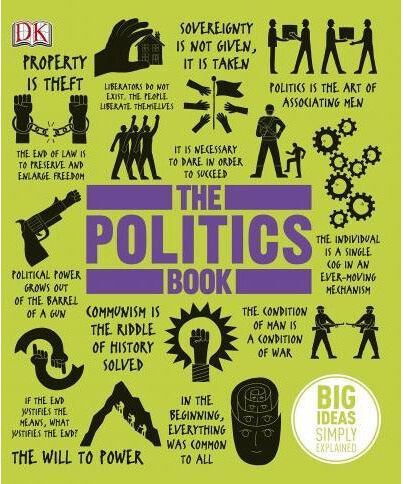
DK The Politics Book - Big Ideas Simply ExplainedThis invaluable; easy-to-understand guide to world politics and government offers an accessible introduction to more than 80 of the most important theories and big ideas of leaders and politicians throughout history. The Politics Book makes government and politics easy to understand by explaining the big ideas simply; using clear language supported by eye-catching graphics. The key events in political history are outlined from the origins of political thinking by Confucius and Aristotle to modern-day activists such as Martin Luther King and Nelson Mandela. Helpful mind maps break down their important concepts into bitesize chunks to make the subject accessible to students of politics and anyone with an interest in how government works. A handy reference section also provides a glossary of key terms and a directory of significant political figures. Filled with thought-provoking quotes from great political thinkers such as Nietzsche; Malcolm X; Karl Marx; and Mao Zedong; The Politics Book gives context to the world of government and power.12,99 £*Shipping: 2,99 £Secure redirect to the provider
-
The Little Book of Politics (DK Big Ideas Series)This politics book is the perfect pocket-sized introduction to politics ideas and political thought throughout history. From the origins of democracy to Machiavelli's cunning statecraft, and from Rousseau's "social contract" to the American Declaration of Independence, Marxist communism, the dawn of populism, and identity politics, The Little Book of Politics examines the philosophies behind the different political beliefs and methods of government used around the world over the course of human history. Packed with diagrams and flowcharts that explain complex concepts in a simple but exciting way, this introduction to politics offers you a combination of clear text and hard-working diagrams in a portable format that is perfect for reading on the go.5,99 £*Shipping: 2,99 £Secure redirect to the provider
-
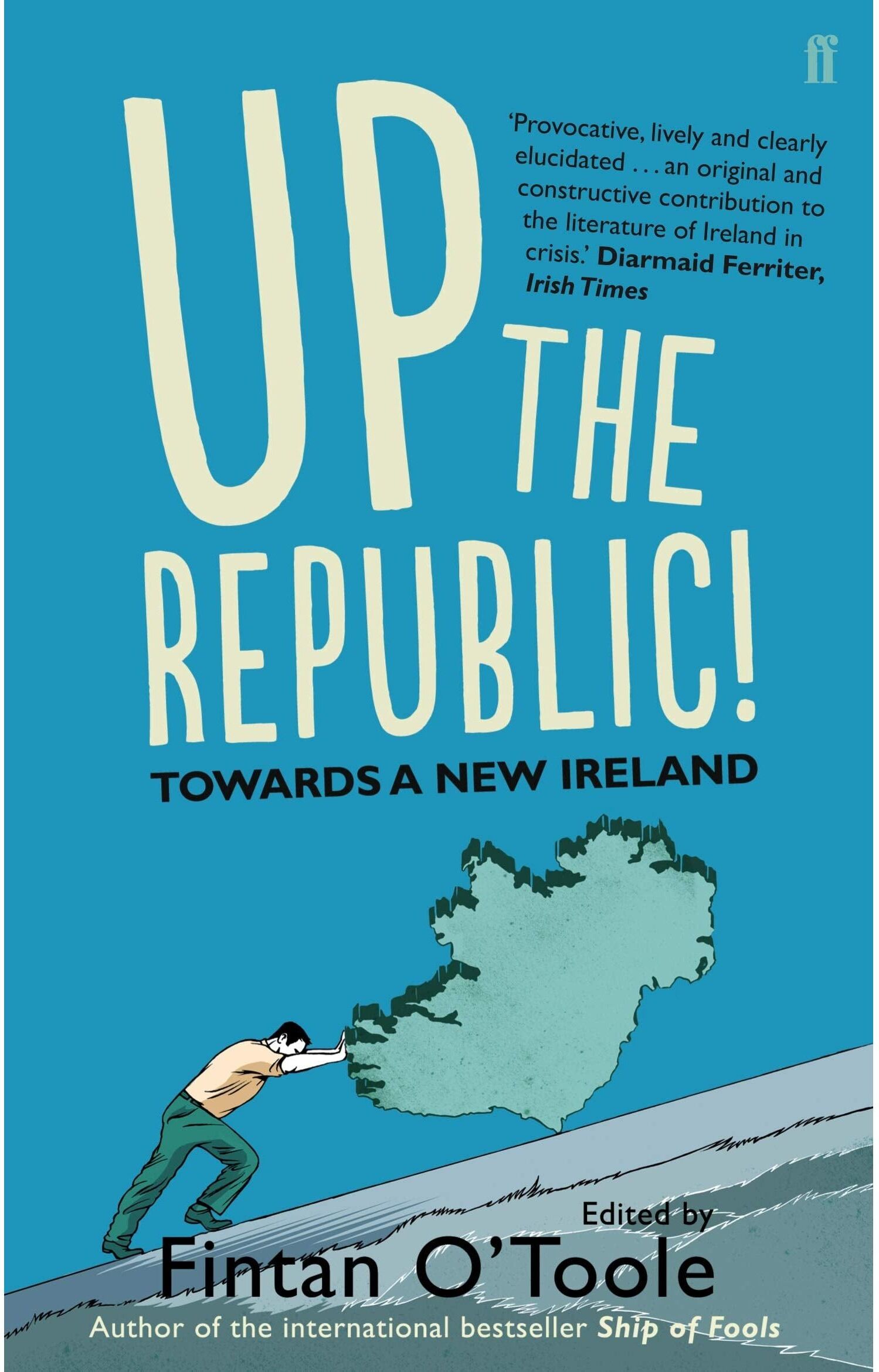
Faber Fintan O'Toole, Up the Republic! (Economic Book, Politics Book)Fintan O'Toole, Up the Republic! (Economic Book, Politics Book) In this important book, historians, lawyers, economists and writers come together to put a coherent case: that although the Irish economic collapse has resulted in national humiliation, renewed emigration and a decline in living standards for the majority of the population, there is still hope that the country can be reformed and renewed. Irish politicians offered the now notorious blanket guarantee to all the banks which had got in over their heads during the great property bubble - including one that had become little more than a criminal enterprise. A different set of politicians grimly enforces the consequences of that guarantee, locking an entire generation of Irish men and women into paying for the mistakes of greedy bankers and their corrupt friends in government. The energy of hope has to come from elsewhere. These essays demonstrate how simple measures and different economic and social policies could release that energy and fulfil the promise of an educated, literate and culturally vibrant people.4,99 £*Shipping: 1,99 £Secure redirect to the provider

-
What is the beginning inventory and ending inventory here?
The beginning inventory is the amount of inventory available at the start of a specific period, typically a fiscal year or accounting period. The ending inventory, on the other hand, is the amount of inventory remaining at the end of the same period. By comparing the beginning and ending inventory levels, a company can determine how much inventory was used or sold during that period. **
-
What is the difference between inventory increase and inventory decrease?
Inventory increase refers to the situation where the amount of goods or materials in stock has grown, either due to new purchases, production, or other factors. This can be a positive sign of business growth, but it can also tie up capital and increase storage costs. On the other hand, inventory decrease occurs when the amount of goods or materials in stock has decreased, either due to sales, usage, or other factors. This can be a sign of strong demand and efficient operations, but it can also lead to stockouts and lost sales if not managed properly. Both inventory increase and decrease are important to monitor and manage in order to maintain a healthy balance and meet customer demand. **
-
What is the meaning of periodic inventory and perpetual inventory?
Periodic inventory refers to a system where a physical count of inventory is conducted at specific intervals, such as monthly or annually, to determine the quantity on hand and the cost of goods sold. On the other hand, perpetual inventory is a system that continuously tracks inventory levels in real-time using technology such as barcode scanners and RFID tags. This system provides up-to-date information on inventory levels, cost of goods sold, and helps in managing stock levels efficiently. **
-
Does the inventory in accounting not match the target inventory?
If the inventory in accounting does not match the target inventory, it could indicate potential issues such as theft, errors in recording transactions, or discrepancies in the physical counting of inventory. It is important to investigate the root cause of the discrepancy and take corrective actions to reconcile the inventory. This may involve conducting a physical inventory count, reviewing transaction records, and implementing better inventory management practices to prevent future discrepancies. Regular monitoring and reconciliation of inventory can help ensure accurate accounting records and prevent potential losses. **


Does a high inventory level negatively impact profit during the inventory?
A high inventory level can negatively impact profit during the inventory period. This is because holding excess inventory ties up capital that could be used for other investments or operational expenses. Additionally, high inventory levels can lead to increased storage and carrying costs, as well as the risk of obsolescence or spoilage. It can also result in markdowns or discounts to move excess inventory, which can impact profit margins. Therefore, it is important for businesses to carefully manage their inventory levels to optimize profitability. **
What is inventory 3?
Inventory 3 is the third level of inventory within a company's accounting system. It represents the goods and materials that are in the process of being manufactured or assembled into finished products. Inventory 3 typically includes items that are partially completed and are still undergoing production. This level of inventory is important for tracking the progress of production and determining the value of work in progress. **
Top-Angebote
Products related to Inventory:
-
Uplifted Finds Epidermal Sanitization Inventory (3 Pack Hub) Epidermal Sanitization Inventory (3 Pack Hub)Optimize your pets dermatological hygiene and ocular clarity with the Epidermal Sanitization Inventory, a professionalgrade maintenance system engineered with aqueouscleansing logic. This highutility 240unit logistics package features a specialized...111,97 $*Shipping: 0,00 $Secure redirect to the provider
-
Uplifted Finds Avian Mimic Enrichment Inventory (9 Unit Hub) Avian Mimic Enrichment Inventory (9 Unit Hub)Optimize your pet's physical agility and predatory tracking with the AvianMimic Enrichment Inventory, a professionalgrade interactive system engineered with highfrequency kinetic logic. This highutility 9piece replacement hub features a specialized...40,97 $*Shipping: 0,00 $Secure redirect to the provider
-
Uplifted Finds Vertical Toy Inventory Management Module pinkOptimize your pets engagement ecosystem with the Vertical ToyInventory Module, a professionalgrade organization system engineered with spatialefficiency logic. This highutility module features a multitier felt architecture specifically designed to...92,97 $*Shipping: 0,00 $Secure redirect to the provider
-
DK The Politics Book - Big Ideas Simply ExplainedThis invaluable; easy-to-understand guide to world politics and government offers an accessible introduction to more than 80 of the most important theories and big ideas of leaders and politicians throughout history. The Politics Book makes government and politics easy to understand by explaining the big ideas simply; using clear language supported by eye-catching graphics. The key events in political history are outlined from the origins of political thinking by Confucius and Aristotle to modern-day activists such as Martin Luther King and Nelson Mandela. Helpful mind maps break down their important concepts into bitesize chunks to make the subject accessible to students of politics and anyone with an interest in how government works. A handy reference section also provides a glossary of key terms and a directory of significant political figures. Filled with thought-provoking quotes from great political thinkers such as Nietzsche; Malcolm X; Karl Marx; and Mao Zedong; The Politics Book gives context to the world of government and power.12,99 £*Shipping: 2,99 £Secure redirect to the provider
-
What are inventory and inventory holding costs?
Inventory refers to the goods and materials held by a business for the purpose of resale or production. Inventory holding costs, also known as carrying costs, are the expenses associated with holding and storing inventory. These costs can include expenses such as storage, insurance, obsolescence, and the opportunity cost of tying up capital in inventory. Managing inventory and minimizing inventory holding costs is important for businesses to optimize their cash flow and profitability. **
-
How does an increase in inventory turnover frequency affect inventory costs and inventory risk?
An increase in inventory turnover frequency typically leads to lower inventory costs as it indicates that inventory is being sold and replenished more quickly, reducing the need for excess inventory storage and associated costs. Additionally, a higher turnover frequency can help mitigate inventory risk by reducing the likelihood of inventory obsolescence or damage due to prolonged storage. Overall, a faster inventory turnover frequency can lead to improved efficiency, lower costs, and reduced inventory risk for a business. **
-
What is the beginning inventory and ending inventory here?
The beginning inventory is the amount of inventory available at the start of a specific period, typically a fiscal year or accounting period. The ending inventory, on the other hand, is the amount of inventory remaining at the end of the same period. By comparing the beginning and ending inventory levels, a company can determine how much inventory was used or sold during that period. **
-
What is the difference between inventory increase and inventory decrease?
Inventory increase refers to the situation where the amount of goods or materials in stock has grown, either due to new purchases, production, or other factors. This can be a positive sign of business growth, but it can also tie up capital and increase storage costs. On the other hand, inventory decrease occurs when the amount of goods or materials in stock has decreased, either due to sales, usage, or other factors. This can be a sign of strong demand and efficient operations, but it can also lead to stockouts and lost sales if not managed properly. Both inventory increase and decrease are important to monitor and manage in order to maintain a healthy balance and meet customer demand. **
Similar search terms for Inventory
-
The Little Book of Politics (DK Big Ideas Series)This politics book is the perfect pocket-sized introduction to politics ideas and political thought throughout history. From the origins of democracy to Machiavelli's cunning statecraft, and from Rousseau's "social contract" to the American Declaration of Independence, Marxist communism, the dawn of populism, and identity politics, The Little Book of Politics examines the philosophies behind the different political beliefs and methods of government used around the world over the course of human history. Packed with diagrams and flowcharts that explain complex concepts in a simple but exciting way, this introduction to politics offers you a combination of clear text and hard-working diagrams in a portable format that is perfect for reading on the go.5,99 £*Shipping: 2,99 £Secure redirect to the provider
-
Faber Fintan O'Toole, Up the Republic! (Economic Book, Politics Book)Fintan O'Toole, Up the Republic! (Economic Book, Politics Book) In this important book, historians, lawyers, economists and writers come together to put a coherent case: that although the Irish economic collapse has resulted in national humiliation, renewed emigration and a decline in living standards for the majority of the population, there is still hope that the country can be reformed and renewed. Irish politicians offered the now notorious blanket guarantee to all the banks which had got in over their heads during the great property bubble - including one that had become little more than a criminal enterprise. A different set of politicians grimly enforces the consequences of that guarantee, locking an entire generation of Irish men and women into paying for the mistakes of greedy bankers and their corrupt friends in government. The energy of hope has to come from elsewhere. These essays demonstrate how simple measures and different economic and social policies could release that energy and fulfil the promise of an educated, literate and culturally vibrant people.4,99 £*Shipping: 1,99 £Secure redirect to the provider
-
Uplifted Finds Vertical Toy Inventory Management Module greenOptimize your pets engagement ecosystem with the Vertical ToyInventory Module, a professionalgrade organization system engineered with spatialefficiency logic. This highutility module features a multitier felt architecture specifically designed to...92,97 $*Shipping: 0,00 $Secure redirect to the provider
-
Uplifted Finds Vertical Toy Inventory Management Module grayOptimize your pets engagement ecosystem with the Vertical ToyInventory Module, a professionalgrade organization system engineered with spatialefficiency logic. This highutility module features a multitier felt architecture specifically designed to...92,97 $*Shipping: 0,00 $Secure redirect to the provider
-
What is the meaning of periodic inventory and perpetual inventory?
Periodic inventory refers to a system where a physical count of inventory is conducted at specific intervals, such as monthly or annually, to determine the quantity on hand and the cost of goods sold. On the other hand, perpetual inventory is a system that continuously tracks inventory levels in real-time using technology such as barcode scanners and RFID tags. This system provides up-to-date information on inventory levels, cost of goods sold, and helps in managing stock levels efficiently. **
-
Does the inventory in accounting not match the target inventory?
If the inventory in accounting does not match the target inventory, it could indicate potential issues such as theft, errors in recording transactions, or discrepancies in the physical counting of inventory. It is important to investigate the root cause of the discrepancy and take corrective actions to reconcile the inventory. This may involve conducting a physical inventory count, reviewing transaction records, and implementing better inventory management practices to prevent future discrepancies. Regular monitoring and reconciliation of inventory can help ensure accurate accounting records and prevent potential losses. **
-
Does a high inventory level negatively impact profit during the inventory?
A high inventory level can negatively impact profit during the inventory period. This is because holding excess inventory ties up capital that could be used for other investments or operational expenses. Additionally, high inventory levels can lead to increased storage and carrying costs, as well as the risk of obsolescence or spoilage. It can also result in markdowns or discounts to move excess inventory, which can impact profit margins. Therefore, it is important for businesses to carefully manage their inventory levels to optimize profitability. **
-
What is inventory 3?
Inventory 3 is the third level of inventory within a company's accounting system. It represents the goods and materials that are in the process of being manufactured or assembled into finished products. Inventory 3 typically includes items that are partially completed and are still undergoing production. This level of inventory is important for tracking the progress of production and determining the value of work in progress. **
* All prices are inclusive of VAT and, if applicable, plus shipping costs. The offer information is based on the details provided by the respective shop and is updated through automated processes. Real-time updates do not occur, so deviations can occur in individual cases. ** Note: Parts of this content were created by AI.