Buy mohamedlouizi.eu ?
We are moving the project
mohamedlouizi.eu .
Are you interested in purchasing the domain
mohamedlouizi.eu ?
domain@kv-gmbh.de · 0541-91531010
Buy mohamedlouizi.eu ?
Were the Germanic people Vikings, or were the Vikings Germanic?
The Germanic people were a group of tribes that lived in Northern Europe, including modern-day Germany, Scandinavia, and the Netherlands. The Vikings were a specific group of people within the broader Germanic culture, known for their seafaring and raiding activities. So, the Vikings were a subset of the Germanic people, and not all Germanic people were Vikings. **
Were the Greeks Germanic?
No, the Greeks were not Germanic. The Greeks were an ancient civilization that originated in the Mediterranean region, while the Germanic peoples were a group of tribes that originated in northern Europe. The Greeks had their own distinct language, culture, and history, which were different from those of the Germanic peoples. Therefore, it is not accurate to classify the Greeks as Germanic. **


Similar search terms for Germanic
Top-Angebote
Products related to Germanic:
-
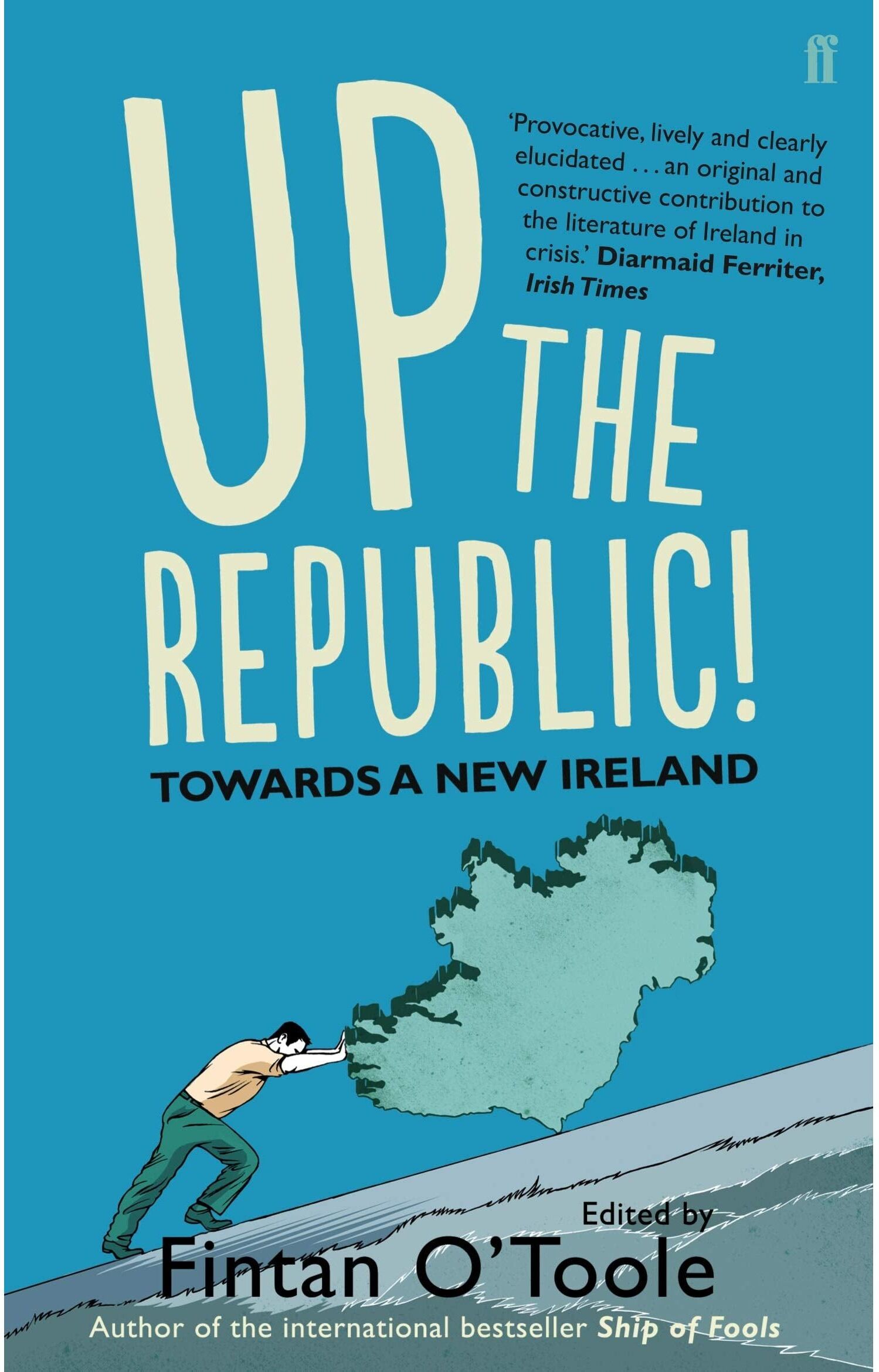
Faber Fintan O'Toole, Up the Republic! (Economic Book, Politics Book)Fintan O'Toole, Up the Republic! (Economic Book, Politics Book) In this important book, historians, lawyers, economists and writers come together to put a coherent case: that although the Irish economic collapse has resulted in national humiliation, renewed emigration and a decline in living standards for the majority of the population, there is still hope that the country can be reformed and renewed. Irish politicians offered the now notorious blanket guarantee to all the banks which had got in over their heads during the great property bubble - including one that had become little more than a criminal enterprise. A different set of politicians grimly enforces the consequences of that guarantee, locking an entire generation of Irish men and women into paying for the mistakes of greedy bankers and their corrupt friends in government. The energy of hope has to come from elsewhere. These essays demonstrate how simple measures and different economic and social policies could release that energy and fulfil the promise of an educated, literate and culturally vibrant people.4,99 £*Shipping: 1,99 £Secure redirect to the provider
-
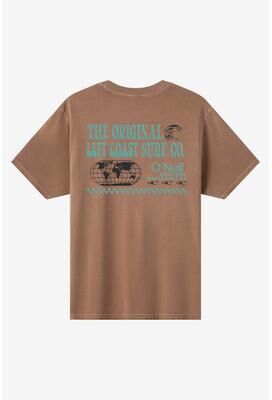
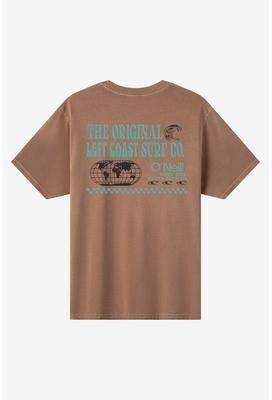
O'Neill s O'riginals Reform Vintage T-Shirt in Carob Brown, Size SmallThe O'Riginals Men's Reform Vintage Short Sleeve Tee is crafted from 100% organic cotton with a relaxed fit that moves with you. This O'Riginals tee features garment-dyed fabric and crackle ink graphics for that perfectly worn-in look. Built...38,00 $*Shipping: 0,00 $Secure redirect to the provider
-
O'Neill s O'riginals Reform Vintage T-Shirt in Carob Brown, Size MediumThe O'Riginals Men's Reform Vintage Short Sleeve Tee is crafted from 100% organic cotton with a relaxed fit that moves with you. This O'Riginals tee features garment-dyed fabric and crackle ink graphics for that perfectly worn-in look. Built...38,00 $*Shipping: 0,00 $Secure redirect to the provider
-
O'Neill s O'riginals Reform Vintage T-Shirt in Carob Brown, Size LargeThe O'Riginals Men's Reform Vintage Short Sleeve Tee is crafted from 100% organic cotton with a relaxed fit that moves with you. This O'Riginals tee features garment-dyed fabric and crackle ink graphics for that perfectly worn-in look. Built...38,00 $*Shipping: 0,00 $Secure redirect to the provider


-
What is Germanic Neopaganism?
Germanic Neopaganism is a modern revival of the pre-Christian religious practices and beliefs of the Germanic peoples. It encompasses a variety of traditions and practices inspired by the ancient Germanic cultures, including Norse, Anglo-Saxon, and Continental Germanic traditions. Followers of Germanic Neopaganism often worship a pantheon of gods and goddesses, honor their ancestors, and celebrate seasonal festivals. It is a decentralized and diverse movement, with different groups and individuals interpreting and practicing the faith in their own unique ways. **
-
Are the Celts Germanic?
No, the Celts are not Germanic. The Celts were a distinct group of people who originated in Central Europe and spread across much of Western Europe, including areas that are now part of modern-day France, Spain, and the British Isles. The Germanic peoples, on the other hand, originated in northern Europe and eventually spread into areas that are now part of modern-day Germany, Scandinavia, and the Netherlands. While the Celts and Germanic peoples may have had some interactions and influences on each other, they are considered to be separate and distinct cultural and linguistic groups. **
-
What are Germanic bear dogs?
Germanic bear dogs, also known as German bear dogs or German mastiffs, are a type of large, powerful dog breed that was historically used for hunting and bear baiting in Germany. They are known for their strength, courage, and protective instincts. Germanic bear dogs have a muscular build, a thick coat, and a strong jaw, making them well-suited for their original purpose of hunting and fighting large game. Today, they are often kept as loyal and protective family pets. **
-
Is English a Germanic language?
Yes, English is a Germanic language. It is part of the West Germanic branch of the Germanic languages, which also includes German, Dutch, and several other languages. English has been heavily influenced by other languages, particularly Latin and French, but its core vocabulary and grammar are rooted in the Germanic language family. **

Is there a Germanic race?
The concept of a "Germanic race" is a historical and anthropological construct that has been largely discredited in modern scholarship. The term "Germanic" refers to a group of peoples who historically spoke Germanic languages and shared certain cultural and linguistic characteristics, rather than a distinct racial category. The idea of a "Germanic race" has been used in the past to promote nationalist and supremacist ideologies, but it does not accurately reflect the complex and diverse ethnic and cultural makeup of the people historically associated with Germanic languages. Therefore, it is more accurate to speak of Germanic peoples or Germanic-speaking cultures rather than a singular "Germanic race." **
Were the Germanic people uncivilized?
The term "uncivilized" is subjective and can be interpreted in different ways. The Germanic people had their own rich culture, traditions, and social structures, which included complex legal systems and religious beliefs. They were skilled in metalworking, agriculture, and trade, and had a strong sense of community and loyalty. While they may not have had the same level of urbanization and centralized government as the Roman Empire, it would be inaccurate to label them as uncivilized. Instead, they had their own distinct civilization that contributed to the development of Europe. **
Top-Angebote
Products related to Germanic:
-
DK The Politics Book - Big Ideas Simply ExplainedThis invaluable; easy-to-understand guide to world politics and government offers an accessible introduction to more than 80 of the most important theories and big ideas of leaders and politicians throughout history. The Politics Book makes government and politics easy to understand by explaining the big ideas simply; using clear language supported by eye-catching graphics. The key events in political history are outlined from the origins of political thinking by Confucius and Aristotle to modern-day activists such as Martin Luther King and Nelson Mandela. Helpful mind maps break down their important concepts into bitesize chunks to make the subject accessible to students of politics and anyone with an interest in how government works. A handy reference section also provides a glossary of key terms and a directory of significant political figures. Filled with thought-provoking quotes from great political thinkers such as Nietzsche; Malcolm X; Karl Marx; and Mao Zedong; The Politics Book gives context to the world of government and power.12,99 £*Shipping: 2,99 £Secure redirect to the provider
-
The Little Book of Politics (DK Big Ideas Series)This politics book is the perfect pocket-sized introduction to politics ideas and political thought throughout history. From the origins of democracy to Machiavelli's cunning statecraft, and from Rousseau's "social contract" to the American Declaration of Independence, Marxist communism, the dawn of populism, and identity politics, The Little Book of Politics examines the philosophies behind the different political beliefs and methods of government used around the world over the course of human history. Packed with diagrams and flowcharts that explain complex concepts in a simple but exciting way, this introduction to politics offers you a combination of clear text and hard-working diagrams in a portable format that is perfect for reading on the go.5,99 £*Shipping: 2,99 £Secure redirect to the provider
-
Faber Fintan O'Toole, Up the Republic! (Economic Book, Politics Book)Fintan O'Toole, Up the Republic! (Economic Book, Politics Book) In this important book, historians, lawyers, economists and writers come together to put a coherent case: that although the Irish economic collapse has resulted in national humiliation, renewed emigration and a decline in living standards for the majority of the population, there is still hope that the country can be reformed and renewed. Irish politicians offered the now notorious blanket guarantee to all the banks which had got in over their heads during the great property bubble - including one that had become little more than a criminal enterprise. A different set of politicians grimly enforces the consequences of that guarantee, locking an entire generation of Irish men and women into paying for the mistakes of greedy bankers and their corrupt friends in government. The energy of hope has to come from elsewhere. These essays demonstrate how simple measures and different economic and social policies could release that energy and fulfil the promise of an educated, literate and culturally vibrant people.4,99 £*Shipping: 1,99 £Secure redirect to the provider
-
O'Neill s O'riginals Reform Vintage T-Shirt in Carob Brown, Size SmallThe O'Riginals Men's Reform Vintage Short Sleeve Tee is crafted from 100% organic cotton with a relaxed fit that moves with you. This O'Riginals tee features garment-dyed fabric and crackle ink graphics for that perfectly worn-in look. Built...38,00 $*Shipping: 0,00 $Secure redirect to the provider
-
Were the Germanic people Vikings, or were the Vikings Germanic?
The Germanic people were a group of tribes that lived in Northern Europe, including modern-day Germany, Scandinavia, and the Netherlands. The Vikings were a specific group of people within the broader Germanic culture, known for their seafaring and raiding activities. So, the Vikings were a subset of the Germanic people, and not all Germanic people were Vikings. **
-
Were the Greeks Germanic?
No, the Greeks were not Germanic. The Greeks were an ancient civilization that originated in the Mediterranean region, while the Germanic peoples were a group of tribes that originated in northern Europe. The Greeks had their own distinct language, culture, and history, which were different from those of the Germanic peoples. Therefore, it is not accurate to classify the Greeks as Germanic. **
-
What is Germanic Neopaganism?
Germanic Neopaganism is a modern revival of the pre-Christian religious practices and beliefs of the Germanic peoples. It encompasses a variety of traditions and practices inspired by the ancient Germanic cultures, including Norse, Anglo-Saxon, and Continental Germanic traditions. Followers of Germanic Neopaganism often worship a pantheon of gods and goddesses, honor their ancestors, and celebrate seasonal festivals. It is a decentralized and diverse movement, with different groups and individuals interpreting and practicing the faith in their own unique ways. **
-
Are the Celts Germanic?
No, the Celts are not Germanic. The Celts were a distinct group of people who originated in Central Europe and spread across much of Western Europe, including areas that are now part of modern-day France, Spain, and the British Isles. The Germanic peoples, on the other hand, originated in northern Europe and eventually spread into areas that are now part of modern-day Germany, Scandinavia, and the Netherlands. While the Celts and Germanic peoples may have had some interactions and influences on each other, they are considered to be separate and distinct cultural and linguistic groups. **
Similar search terms for Germanic
-
O'Neill s O'riginals Reform Vintage T-Shirt in Carob Brown, Size MediumThe O'Riginals Men's Reform Vintage Short Sleeve Tee is crafted from 100% organic cotton with a relaxed fit that moves with you. This O'Riginals tee features garment-dyed fabric and crackle ink graphics for that perfectly worn-in look. Built...38,00 $*Shipping: 0,00 $Secure redirect to the provider
-
O'Neill s O'riginals Reform Vintage T-Shirt in Carob Brown, Size LargeThe O'Riginals Men's Reform Vintage Short Sleeve Tee is crafted from 100% organic cotton with a relaxed fit that moves with you. This O'Riginals tee features garment-dyed fabric and crackle ink graphics for that perfectly worn-in look. Built...38,00 $*Shipping: 0,00 $Secure redirect to the provider
-
O'Neill s O'riginals Reform Vintage T-Shirt in Carob Brown, Size XLThe O'Riginals Men's Reform Vintage Short Sleeve Tee is crafted from 100% organic cotton with a relaxed fit that moves with you. This O'Riginals tee features garment-dyed fabric and crackle ink graphics for that perfectly worn-in look. Built...38,00 $*Shipping: 0,00 $Secure redirect to the provider
-
O'Neill s O'riginals Reform Vintage T-Shirt in Carob Brown, Size 2XLThe O'Riginals Men's Reform Vintage Short Sleeve Tee is crafted from 100% organic cotton with a relaxed fit that moves with you. This O'Riginals tee features garment-dyed fabric and crackle ink graphics for that perfectly worn-in look. Built...38,00 $*Shipping: 0,00 $Secure redirect to the provider
-
What are Germanic bear dogs?
Germanic bear dogs, also known as German bear dogs or German mastiffs, are a type of large, powerful dog breed that was historically used for hunting and bear baiting in Germany. They are known for their strength, courage, and protective instincts. Germanic bear dogs have a muscular build, a thick coat, and a strong jaw, making them well-suited for their original purpose of hunting and fighting large game. Today, they are often kept as loyal and protective family pets. **
-
Is English a Germanic language?
Yes, English is a Germanic language. It is part of the West Germanic branch of the Germanic languages, which also includes German, Dutch, and several other languages. English has been heavily influenced by other languages, particularly Latin and French, but its core vocabulary and grammar are rooted in the Germanic language family. **
-
Is there a Germanic race?
The concept of a "Germanic race" is a historical and anthropological construct that has been largely discredited in modern scholarship. The term "Germanic" refers to a group of peoples who historically spoke Germanic languages and shared certain cultural and linguistic characteristics, rather than a distinct racial category. The idea of a "Germanic race" has been used in the past to promote nationalist and supremacist ideologies, but it does not accurately reflect the complex and diverse ethnic and cultural makeup of the people historically associated with Germanic languages. Therefore, it is more accurate to speak of Germanic peoples or Germanic-speaking cultures rather than a singular "Germanic race." **
-
Were the Germanic people uncivilized?
The term "uncivilized" is subjective and can be interpreted in different ways. The Germanic people had their own rich culture, traditions, and social structures, which included complex legal systems and religious beliefs. They were skilled in metalworking, agriculture, and trade, and had a strong sense of community and loyalty. While they may not have had the same level of urbanization and centralized government as the Roman Empire, it would be inaccurate to label them as uncivilized. Instead, they had their own distinct civilization that contributed to the development of Europe. **
* All prices are inclusive of VAT and, if applicable, plus shipping costs. The offer information is based on the details provided by the respective shop and is updated through automated processes. Real-time updates do not occur, so deviations can occur in individual cases. ** Note: Parts of this content were created by AI.