Buy mohamedlouizi.eu ?
We are moving the project
mohamedlouizi.eu .
Are you interested in purchasing the domain
mohamedlouizi.eu ?
domain@kv-gmbh.de · 0541-91531010
Buy mohamedlouizi.eu ?
What is the difference between ecological backpack, ecological balance, and ecological footprint?
The ecological backpack refers to the amount of natural resources and energy required to support an individual's lifestyle and consumption habits. Ecological balance refers to the state of equilibrium within an ecosystem, where the interactions between living organisms and their environment are stable and sustainable. Ecological footprint measures the impact of human activities on the environment by calculating the amount of biologically productive land and water required to sustain those activities. In summary, the ecological backpack focuses on individual consumption, ecological balance on the stability of ecosystems, and ecological footprint on the overall environmental impact of human activities. **
How can politics contribute to improving the individual ecological footprint?
Politics can contribute to improving the individual ecological footprint by implementing policies and regulations that promote sustainable practices. This can include investing in renewable energy sources, promoting public transportation, and implementing carbon pricing mechanisms. Additionally, political leaders can raise awareness and educate the public about the importance of reducing their ecological footprint and provide incentives for individuals to adopt more sustainable behaviors. By creating a supportive policy environment, politics can encourage and empower individuals to make more environmentally friendly choices in their daily lives. **


Similar search terms for Ecological
Top-Angebote
Products related to Ecological:
-
Uplift Essentials Mini Ecological Fish Tank With LED Light And Self Circulating Filter Compact Desktop Aquarium For Home Or Office whiteBring life and tranquility to your space with the Mini Ecological Fish Tank, a compact and stylish aquarium designed for effortless beauty and functionality. Perfect for desktops, living rooms, or bedside tables, this selfcirculating tank combines...96,97 $*Shipping: 0,00 $Secure redirect to the provider
-
Uplift Essentials Fish Tank Living Room Small Mini Douyu Tank Household Tabletop Ecological Tank Self Circulating Back Filter Goldfish Tan whiteBring tranquility to your home or office with this mini ecological fish tank. Designed with a selfcirculating back filter system, it ensures your goldfish or bettas thrive in a clean and healthy environment. Perfect for desktops, tabletops, and...98,97 $*Shipping: 0,00 $Secure redirect to the provider
-
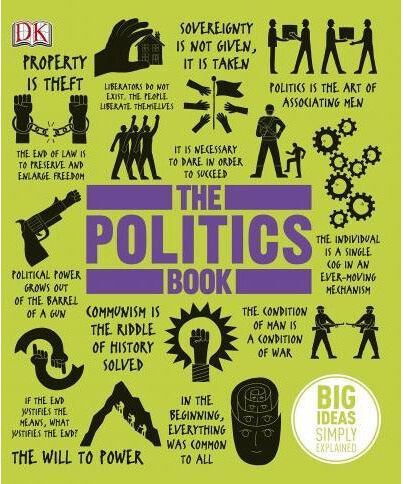
DK The Politics Book - Big Ideas Simply ExplainedThis invaluable; easy-to-understand guide to world politics and government offers an accessible introduction to more than 80 of the most important theories and big ideas of leaders and politicians throughout history. The Politics Book makes government and politics easy to understand by explaining the big ideas simply; using clear language supported by eye-catching graphics. The key events in political history are outlined from the origins of political thinking by Confucius and Aristotle to modern-day activists such as Martin Luther King and Nelson Mandela. Helpful mind maps break down their important concepts into bitesize chunks to make the subject accessible to students of politics and anyone with an interest in how government works. A handy reference section also provides a glossary of key terms and a directory of significant political figures. Filled with thought-provoking quotes from great political thinkers such as Nietzsche; Malcolm X; Karl Marx; and Mao Zedong; The Politics Book gives context to the world of government and power.12,99 £*Shipping: 2,99 £Secure redirect to the provider
-
The Little Book of Politics (DK Big Ideas Series)This politics book is the perfect pocket-sized introduction to politics ideas and political thought throughout history. From the origins of democracy to Machiavelli's cunning statecraft, and from Rousseau's "social contract" to the American Declaration of Independence, Marxist communism, the dawn of populism, and identity politics, The Little Book of Politics examines the philosophies behind the different political beliefs and methods of government used around the world over the course of human history. Packed with diagrams and flowcharts that explain complex concepts in a simple but exciting way, this introduction to politics offers you a combination of clear text and hard-working diagrams in a portable format that is perfect for reading on the go.5,99 £*Shipping: 2,99 £Secure redirect to the provider


-
What is ecological construction?
Ecological construction, also known as green construction or sustainable construction, refers to the practice of designing, building, and operating buildings in an environmentally responsible and resource-efficient manner. This approach aims to minimize the environmental impact of construction projects by using sustainable materials, reducing energy consumption, and incorporating renewable energy sources. Ecological construction also focuses on creating healthy and comfortable indoor environments for occupants while minimizing waste and pollution. Overall, ecological construction seeks to promote a more sustainable and harmonious relationship between the built environment and the natural world. **
-
What are ecological conditions?
Ecological conditions refer to the physical, chemical, and biological factors that influence the health and functioning of an ecosystem. These conditions include factors such as temperature, precipitation, soil composition, and the presence of other living organisms. Ecological conditions play a crucial role in determining the distribution and abundance of species within an ecosystem, as well as the overall productivity and stability of the ecosystem. Understanding and monitoring ecological conditions is important for conservation and management efforts to maintain healthy and functioning ecosystems. **
-
What is ecological tolerance?
Ecological tolerance refers to the range of environmental conditions within which a species can survive and reproduce. This includes factors such as temperature, humidity, pH, and nutrient availability. Species with a wide ecological tolerance can thrive in a variety of conditions, while those with narrow tolerance are more limited in their ability to survive in different environments. Understanding ecological tolerance is important for conservation efforts and managing ecosystems, as it helps to predict how species may respond to environmental changes. **
-
What are ecological damages?
Ecological damages refer to the harm or destruction caused to the natural environment and its ecosystems. This can include pollution, deforestation, habitat destruction, and the loss of biodiversity. Ecological damages can have far-reaching impacts on the balance of ecosystems, the health of plant and animal species, and the overall sustainability of the environment. These damages can disrupt the natural processes that support life on Earth and can have negative effects on human communities as well. **

What are ecological standards?
Ecological standards are guidelines and criteria that are set to ensure that human activities and products are environmentally friendly and sustainable. These standards aim to minimize negative impacts on ecosystems and biodiversity, promote conservation of natural resources, and reduce pollution and waste. By adhering to ecological standards, businesses, industries, and individuals can help protect the environment and contribute to a more sustainable future. **
What are ecological problems?
Ecological problems are issues that arise from the disruption of the natural balance and functioning of ecosystems. These problems can include habitat destruction, pollution, climate change, deforestation, loss of biodiversity, and overexploitation of natural resources. Ecological problems can have far-reaching impacts on the environment, wildlife, and human populations, leading to negative consequences such as species extinction, water and air pollution, and disruptions to the food chain. Addressing these problems requires a holistic approach that considers the interconnectedness of all living organisms and their environments. **
Top-Angebote
Products related to Ecological:
-
Inspire Essentials Mini Ecological Fish Tank With Self Circulating Filter For Home And Office whiteBring a touch of nature into your space with our beautifully designed mini fish tank, perfect for living rooms, desktops, or offices. This compact yet stylish tank creates a soothing environment for your goldfish or aquatic plants, making it both a...112,48 $*Shipping: 0,00 $Secure redirect to the provider
-
Christopher Knight Home - Classic Ecological Outdoor 25.04''H Garden Decorative Birdbath with Column Pedestal BaseEnhance the beauty of your outdoor space with this elegant pedestal birdbath, designed to attract birds while adding classic charm to your garden décor.142,83 $*Shipping: 0,00 $Secure redirect to the provider
-
Uplift Essentials Mini Ecological Fish Tank With LED Light And Self Circulating Filter Compact Desktop Aquarium For Home Or Office whiteBring life and tranquility to your space with the Mini Ecological Fish Tank, a compact and stylish aquarium designed for effortless beauty and functionality. Perfect for desktops, living rooms, or bedside tables, this selfcirculating tank combines...96,97 $*Shipping: 0,00 $Secure redirect to the provider
-
Uplift Essentials Fish Tank Living Room Small Mini Douyu Tank Household Tabletop Ecological Tank Self Circulating Back Filter Goldfish Tan whiteBring tranquility to your home or office with this mini ecological fish tank. Designed with a selfcirculating back filter system, it ensures your goldfish or bettas thrive in a clean and healthy environment. Perfect for desktops, tabletops, and...98,97 $*Shipping: 0,00 $Secure redirect to the provider
-
What is the difference between ecological backpack, ecological balance, and ecological footprint?
The ecological backpack refers to the amount of natural resources and energy required to support an individual's lifestyle and consumption habits. Ecological balance refers to the state of equilibrium within an ecosystem, where the interactions between living organisms and their environment are stable and sustainable. Ecological footprint measures the impact of human activities on the environment by calculating the amount of biologically productive land and water required to sustain those activities. In summary, the ecological backpack focuses on individual consumption, ecological balance on the stability of ecosystems, and ecological footprint on the overall environmental impact of human activities. **
-
How can politics contribute to improving the individual ecological footprint?
Politics can contribute to improving the individual ecological footprint by implementing policies and regulations that promote sustainable practices. This can include investing in renewable energy sources, promoting public transportation, and implementing carbon pricing mechanisms. Additionally, political leaders can raise awareness and educate the public about the importance of reducing their ecological footprint and provide incentives for individuals to adopt more sustainable behaviors. By creating a supportive policy environment, politics can encourage and empower individuals to make more environmentally friendly choices in their daily lives. **
-
What is ecological construction?
Ecological construction, also known as green construction or sustainable construction, refers to the practice of designing, building, and operating buildings in an environmentally responsible and resource-efficient manner. This approach aims to minimize the environmental impact of construction projects by using sustainable materials, reducing energy consumption, and incorporating renewable energy sources. Ecological construction also focuses on creating healthy and comfortable indoor environments for occupants while minimizing waste and pollution. Overall, ecological construction seeks to promote a more sustainable and harmonious relationship between the built environment and the natural world. **
-
What are ecological conditions?
Ecological conditions refer to the physical, chemical, and biological factors that influence the health and functioning of an ecosystem. These conditions include factors such as temperature, precipitation, soil composition, and the presence of other living organisms. Ecological conditions play a crucial role in determining the distribution and abundance of species within an ecosystem, as well as the overall productivity and stability of the ecosystem. Understanding and monitoring ecological conditions is important for conservation and management efforts to maintain healthy and functioning ecosystems. **
Similar search terms for Ecological
-
DK The Politics Book - Big Ideas Simply ExplainedThis invaluable; easy-to-understand guide to world politics and government offers an accessible introduction to more than 80 of the most important theories and big ideas of leaders and politicians throughout history. The Politics Book makes government and politics easy to understand by explaining the big ideas simply; using clear language supported by eye-catching graphics. The key events in political history are outlined from the origins of political thinking by Confucius and Aristotle to modern-day activists such as Martin Luther King and Nelson Mandela. Helpful mind maps break down their important concepts into bitesize chunks to make the subject accessible to students of politics and anyone with an interest in how government works. A handy reference section also provides a glossary of key terms and a directory of significant political figures. Filled with thought-provoking quotes from great political thinkers such as Nietzsche; Malcolm X; Karl Marx; and Mao Zedong; The Politics Book gives context to the world of government and power.12,99 £*Shipping: 2,99 £Secure redirect to the provider
-
The Little Book of Politics (DK Big Ideas Series)This politics book is the perfect pocket-sized introduction to politics ideas and political thought throughout history. From the origins of democracy to Machiavelli's cunning statecraft, and from Rousseau's "social contract" to the American Declaration of Independence, Marxist communism, the dawn of populism, and identity politics, The Little Book of Politics examines the philosophies behind the different political beliefs and methods of government used around the world over the course of human history. Packed with diagrams and flowcharts that explain complex concepts in a simple but exciting way, this introduction to politics offers you a combination of clear text and hard-working diagrams in a portable format that is perfect for reading on the go.5,99 £*Shipping: 2,99 £Secure redirect to the provider
-
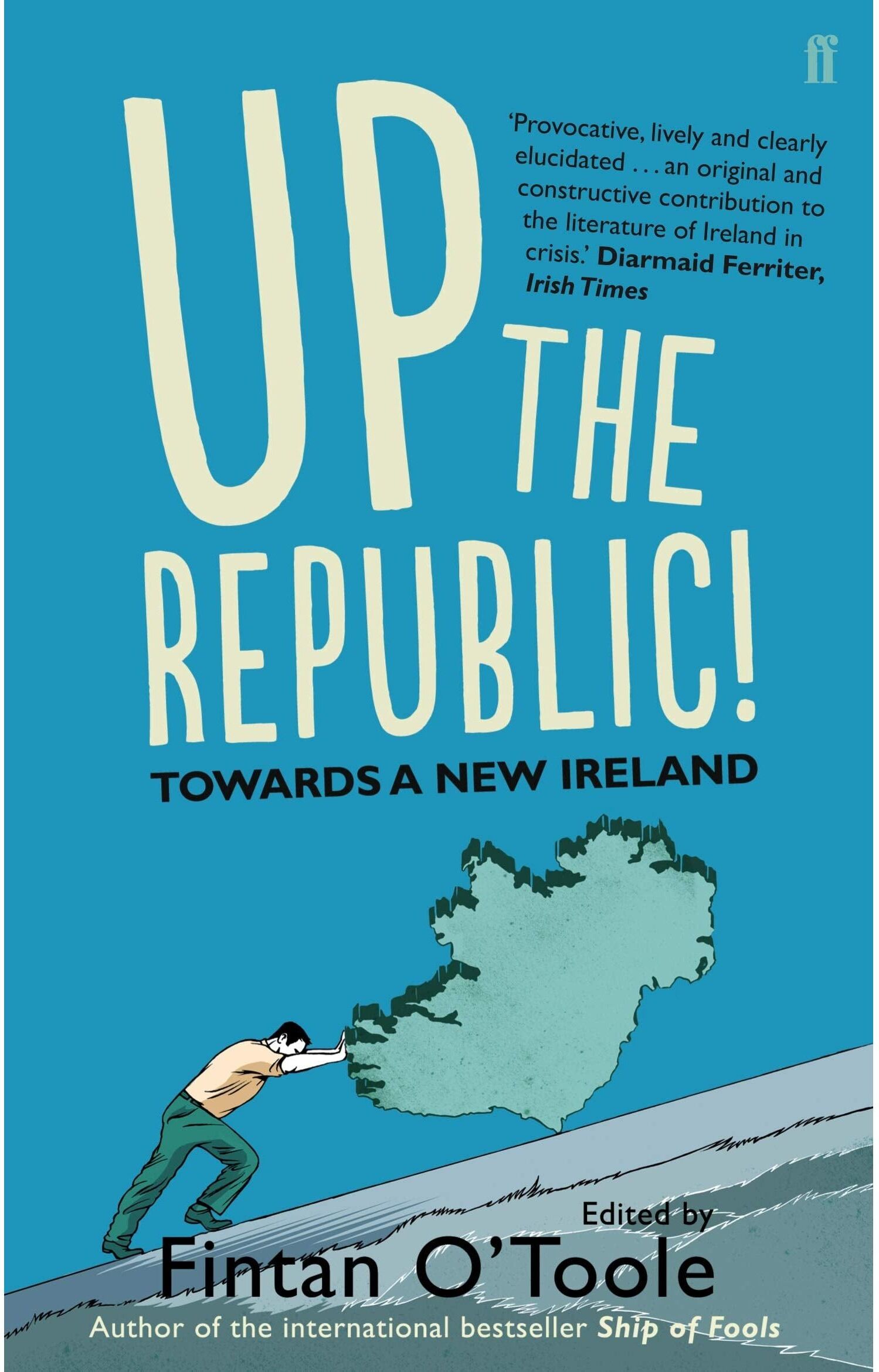
Faber Fintan O'Toole, Up the Republic! (Economic Book, Politics Book)Fintan O'Toole, Up the Republic! (Economic Book, Politics Book) In this important book, historians, lawyers, economists and writers come together to put a coherent case: that although the Irish economic collapse has resulted in national humiliation, renewed emigration and a decline in living standards for the majority of the population, there is still hope that the country can be reformed and renewed. Irish politicians offered the now notorious blanket guarantee to all the banks which had got in over their heads during the great property bubble - including one that had become little more than a criminal enterprise. A different set of politicians grimly enforces the consequences of that guarantee, locking an entire generation of Irish men and women into paying for the mistakes of greedy bankers and their corrupt friends in government. The energy of hope has to come from elsewhere. These essays demonstrate how simple measures and different economic and social policies could release that energy and fulfil the promise of an educated, literate and culturally vibrant people.4,99 £*Shipping: 1,99 £Secure redirect to the provider
-
Inspire Essentials Mini Ecological Fish Tank With Self Circulating Filter For Home And Office blackBring a touch of nature into your space with our beautifully designed mini fish tank, perfect for living rooms, desktops, or offices. This compact yet stylish tank creates a soothing environment for your goldfish or aquatic plants, making it both a...112,48 $*Shipping: 0,00 $Secure redirect to the provider
-
What is ecological tolerance?
Ecological tolerance refers to the range of environmental conditions within which a species can survive and reproduce. This includes factors such as temperature, humidity, pH, and nutrient availability. Species with a wide ecological tolerance can thrive in a variety of conditions, while those with narrow tolerance are more limited in their ability to survive in different environments. Understanding ecological tolerance is important for conservation efforts and managing ecosystems, as it helps to predict how species may respond to environmental changes. **
-
What are ecological damages?
Ecological damages refer to the harm or destruction caused to the natural environment and its ecosystems. This can include pollution, deforestation, habitat destruction, and the loss of biodiversity. Ecological damages can have far-reaching impacts on the balance of ecosystems, the health of plant and animal species, and the overall sustainability of the environment. These damages can disrupt the natural processes that support life on Earth and can have negative effects on human communities as well. **
-
What are ecological standards?
Ecological standards are guidelines and criteria that are set to ensure that human activities and products are environmentally friendly and sustainable. These standards aim to minimize negative impacts on ecosystems and biodiversity, promote conservation of natural resources, and reduce pollution and waste. By adhering to ecological standards, businesses, industries, and individuals can help protect the environment and contribute to a more sustainable future. **
-
What are ecological problems?
Ecological problems are issues that arise from the disruption of the natural balance and functioning of ecosystems. These problems can include habitat destruction, pollution, climate change, deforestation, loss of biodiversity, and overexploitation of natural resources. Ecological problems can have far-reaching impacts on the environment, wildlife, and human populations, leading to negative consequences such as species extinction, water and air pollution, and disruptions to the food chain. Addressing these problems requires a holistic approach that considers the interconnectedness of all living organisms and their environments. **
* All prices are inclusive of VAT and, if applicable, plus shipping costs. The offer information is based on the details provided by the respective shop and is updated through automated processes. Real-time updates do not occur, so deviations can occur in individual cases. ** Note: Parts of this content were created by AI.