Buy mohamedlouizi.eu ?
We are moving the project
mohamedlouizi.eu .
Are you interested in purchasing the domain
mohamedlouizi.eu ?
domain@kv-gmbh.de · 0541-91531010
Buy mohamedlouizi.eu ?
How can one distinguish ionic compounds from molecular compounds?
Ionic compounds are formed from the attraction between positively and negatively charged ions, while molecular compounds are formed from the sharing of electrons between atoms. One way to distinguish between the two is to look at their chemical formulas. Ionic compounds typically consist of a metal and a nonmetal, while molecular compounds consist of nonmetals only. Additionally, ionic compounds tend to have higher melting and boiling points compared to molecular compounds due to their strong electrostatic attractions. Finally, conducting a simple solubility test can also help distinguish between the two types of compounds, as ionic compounds are often soluble in water while molecular compounds may not be. **
How do you distinguish determinative compounds and possessive compounds?
Determinative compounds are formed by combining two words to create a new concept, where the first word determines the meaning of the second word. For example, "blackboard" is a determinative compound where "black" determines the type of "board." Possessive compounds, on the other hand, indicate possession or relationship between the two words. For example, "John's car" is a possessive compound where "John" possesses the "car." In summary, determinative compounds determine the meaning of the second word, while possessive compounds indicate possession or relationship between the two words. **
Similar search terms for Compounds
Top-Angebote
Products related to Compounds:
-
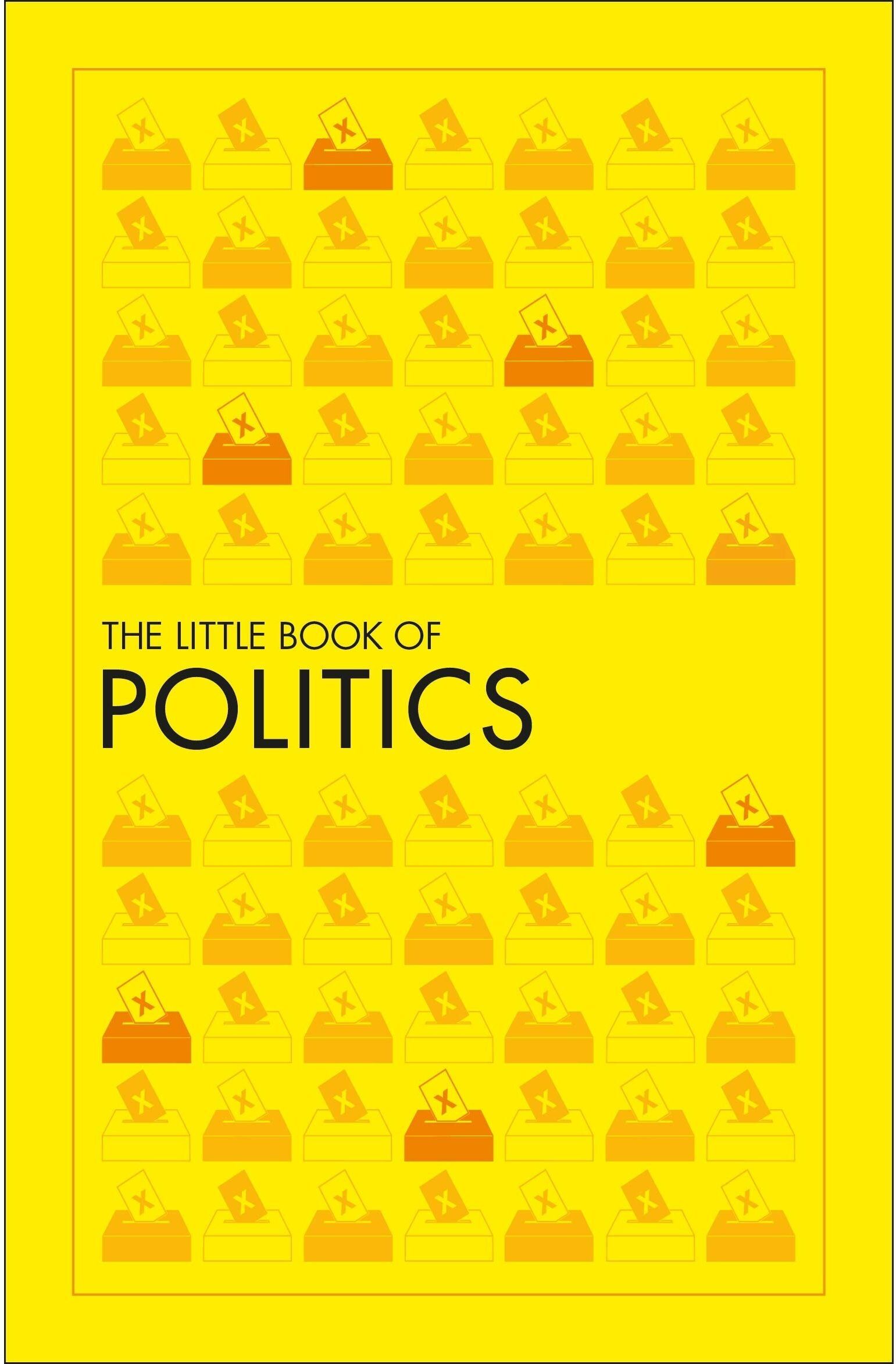
The Little Book of Politics (DK Big Ideas Series)This politics book is the perfect pocket-sized introduction to politics ideas and political thought throughout history. From the origins of democracy to Machiavelli's cunning statecraft, and from Rousseau's "social contract" to the American Declaration of Independence, Marxist communism, the dawn of populism, and identity politics, The Little Book of Politics examines the philosophies behind the different political beliefs and methods of government used around the world over the course of human history. Packed with diagrams and flowcharts that explain complex concepts in a simple but exciting way, this introduction to politics offers you a combination of clear text and hard-working diagrams in a portable format that is perfect for reading on the go.5,99 £*Shipping: 2,99 £Secure redirect to the provider
-
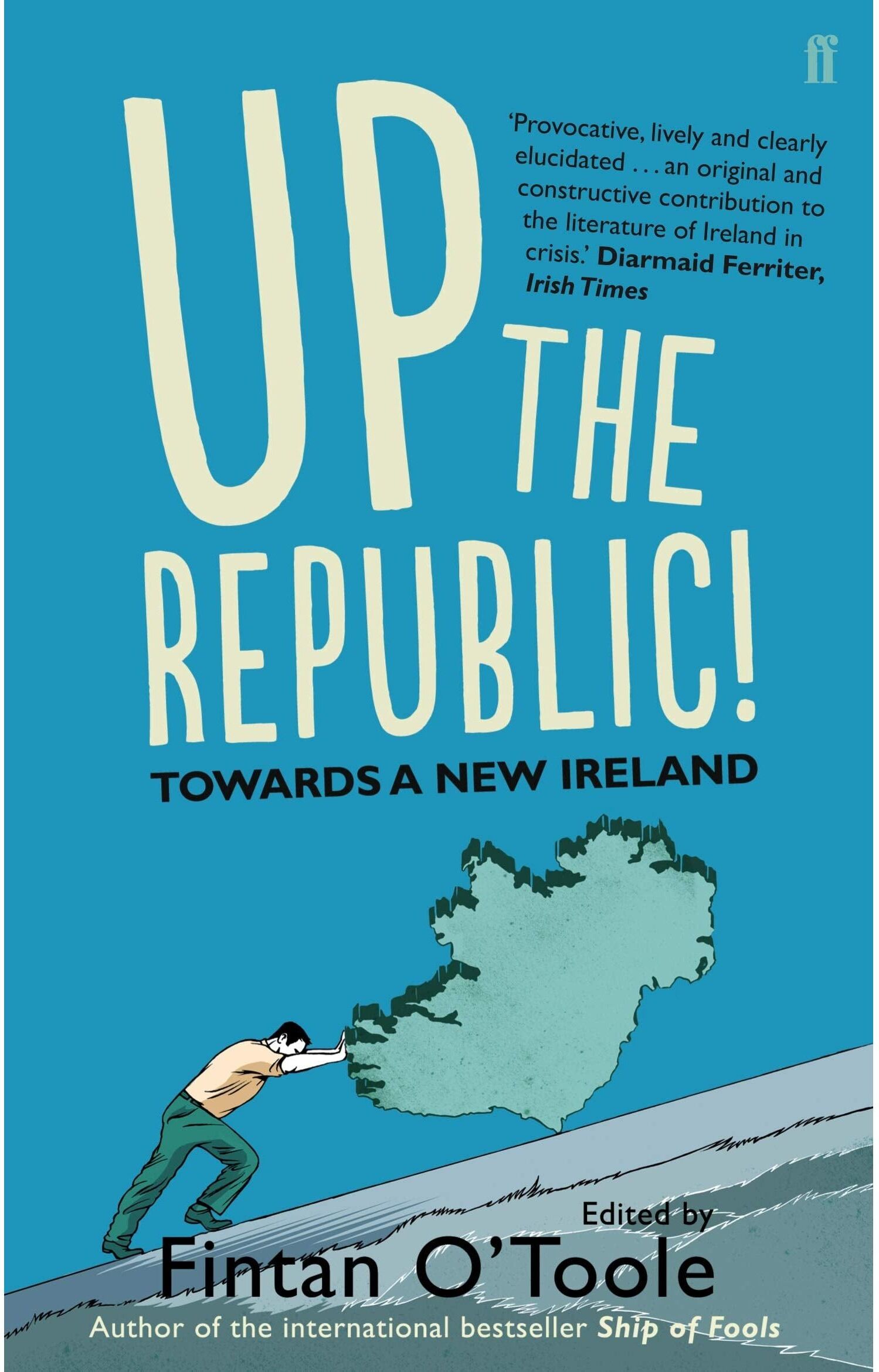
Faber Fintan O'Toole, Up the Republic! (Economic Book, Politics Book)Fintan O'Toole, Up the Republic! (Economic Book, Politics Book) In this important book, historians, lawyers, economists and writers come together to put a coherent case: that although the Irish economic collapse has resulted in national humiliation, renewed emigration and a decline in living standards for the majority of the population, there is still hope that the country can be reformed and renewed. Irish politicians offered the now notorious blanket guarantee to all the banks which had got in over their heads during the great property bubble - including one that had become little more than a criminal enterprise. A different set of politicians grimly enforces the consequences of that guarantee, locking an entire generation of Irish men and women into paying for the mistakes of greedy bankers and their corrupt friends in government. The energy of hope has to come from elsewhere. These essays demonstrate how simple measures and different economic and social policies could release that energy and fulfil the promise of an educated, literate and culturally vibrant people.4,99 £*Shipping: 1,99 £Secure redirect to the provider
-
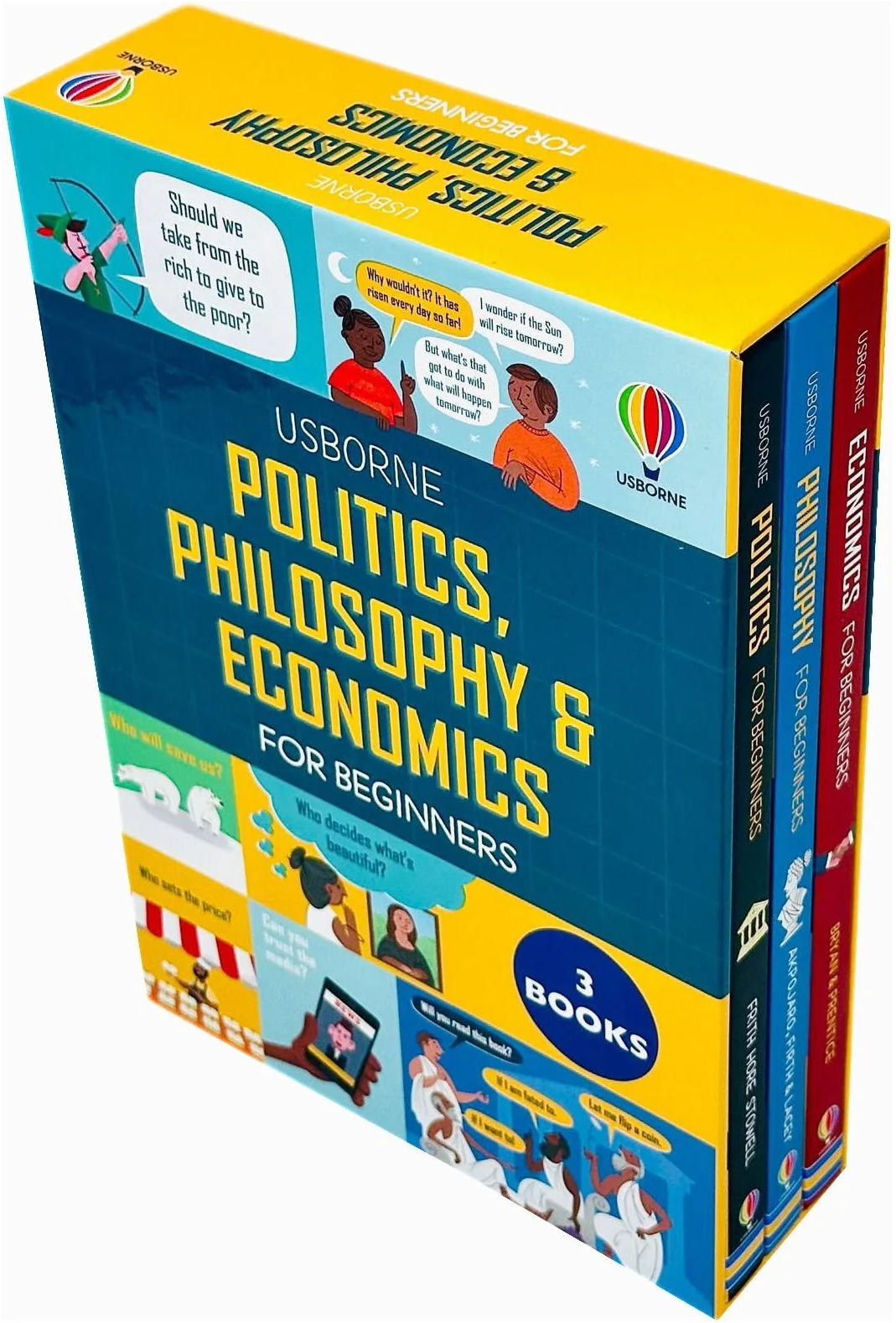
Usborne Big Subjects For Beginners 3 Books Box Set (Politics, Philosophy and Economics)Usborne Big Subjects For Beginners 3 Books Box Set (Politics, Philosophy and Economics) Economics for Beginners Nobody has everything they need, all the time - so how can we make do with what we have? Economics is all about understanding the choices we make to solve this problem. With bright, infographics pictures, this informative book describes why markets. Politics for Beginners With Brexit looming and constant political uncertainty in the UK, people are more confused by politics than ever before. Politics for Beginners answers the questions that people are afraid to ask, offering a no-nonsense guide to what politics is all about. Philosophy for Beginners Philosophy is a way of thinking about just about anything. It asks big questions, such as "how can I be good?" or "what makes something beautiful?" Using lively examples, humorous illustrations and simple thought experiments, this book opens up the world of philosophy to both children and adults and includes links to recommended. Related Tags: Usborne, Usbourne Books14,95 £*Shipping: 2,99 £Secure redirect to the provider
-
O'Neill s O'riginals Reform Vintage T-Shirt in Carob Brown, Size SmallThe O'Riginals Men's Reform Vintage Short Sleeve Tee is crafted from 100% organic cotton with a relaxed fit that moves with you. This O'Riginals tee features garment-dyed fabric and crackle ink graphics for that perfectly worn-in look. Built...38,00 $*Shipping: 0,00 $Secure redirect to the provider

-
Can you help me with chemistry? I need information about atomic compounds, metal compounds, and ionic compounds.
Of course! Atomic compounds are formed when two or more non-metal atoms are chemically bonded together, such as in molecules like water (H2O) and carbon dioxide (CO2). Metal compounds are formed when a metal atom is bonded to one or more non-metal atoms, such as in compounds like sodium chloride (NaCl) and iron oxide (Fe2O3). Ionic compounds are formed when a metal atom transfers one or more electrons to a non-metal atom, resulting in the formation of positively and negatively charged ions that are attracted to each other, such as in compounds like sodium chloride (NaCl) and calcium carbonate (CaCO3). Let me know if you need more specific information or examples! **
-
Why do molecular compounds have lower boiling points than ionic compounds?
Molecular compounds have lower boiling points than ionic compounds because the intermolecular forces holding the molecules together are generally weaker than the electrostatic forces holding ions together in ionic compounds. In molecular compounds, the intermolecular forces are typically van der Waals forces, dipole-dipole interactions, or hydrogen bonding, which are weaker than the strong ionic bonds in ionic compounds. As a result, less energy is required to overcome these weaker intermolecular forces, leading to lower boiling points for molecular compounds compared to ionic compounds. **
-
What are molecular compounds?
Molecular compounds are chemical compounds formed by the combination of two or more non-metal atoms. These atoms are held together by covalent bonds, which involve the sharing of electrons. Molecular compounds can exist as discrete molecules, such as water (H2O) and carbon dioxide (CO2), and they typically have lower melting and boiling points compared to ionic compounds. Examples of molecular compounds include methane (CH4), ammonia (NH3), and sulfur dioxide (SO2). **
-
What are atomic compounds?
Atomic compounds are chemical compounds that are composed of individual atoms of different elements bonded together. These compounds are held together by chemical bonds, such as ionic or covalent bonds, and do not contain any molecules. Examples of atomic compounds include sodium chloride (NaCl) and water (H2O). Unlike molecular compounds, which are made up of molecules, atomic compounds are made up of individual atoms. **


What are sodium compounds?
Sodium compounds are chemical compounds that contain sodium as one of their elements. These compounds can be found in various forms, such as sodium chloride (table salt), sodium hydroxide (lye), and sodium bicarbonate (baking soda). Sodium compounds are widely used in industry, agriculture, and everyday life due to their diverse properties and applications. **
Name the isomeric compounds.
Isomers are compounds that have the same molecular formula but different structural arrangements. Some examples of isomeric compounds include butane and isobutane, which both have the molecular formula C4H10 but differ in their structural arrangement. Another example is glucose and fructose, which both have the molecular formula C6H12O6 but have different structural arrangements and properties. **
Top-Angebote
Products related to Compounds:
-
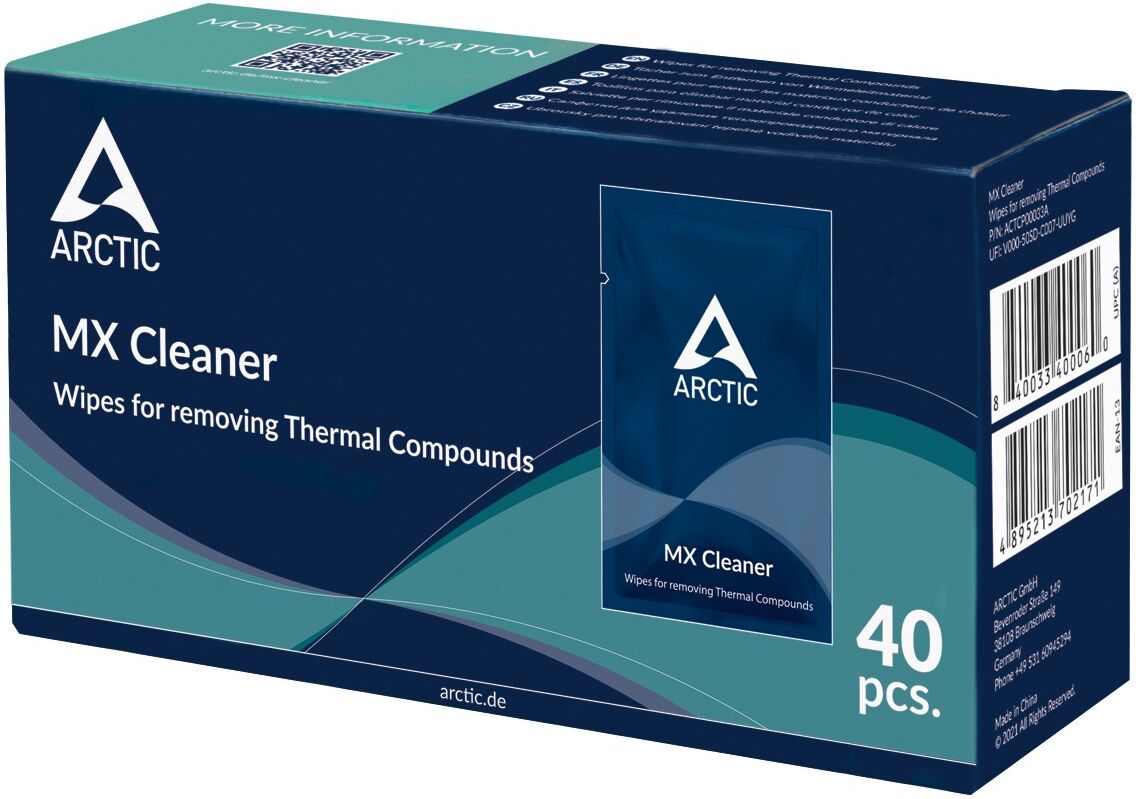
Arctic MX Cleaner - Wipes for removing Thermal Compounds (40 Pieces)ARCTIC MX Cleaner is a box of 40 individually sealed wet wipes for removing old thermal paste from CPUs, GPUs and heatsinks before reapplying compound. The cleaning fluid is limonene-based, derived from citrus oil, and contains no alcohol or benzene, so it is gentle on metals and alloys and leaves no residue. Each wipe is packed airtight to stay moist until it is used.12,99 £*Shipping: 0,00 £Secure redirect to the provider
-
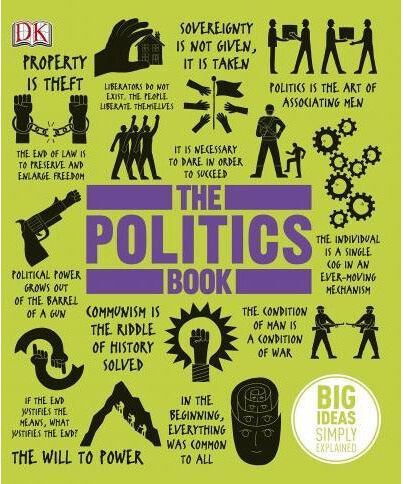
DK The Politics Book - Big Ideas Simply ExplainedThis invaluable; easy-to-understand guide to world politics and government offers an accessible introduction to more than 80 of the most important theories and big ideas of leaders and politicians throughout history. The Politics Book makes government and politics easy to understand by explaining the big ideas simply; using clear language supported by eye-catching graphics. The key events in political history are outlined from the origins of political thinking by Confucius and Aristotle to modern-day activists such as Martin Luther King and Nelson Mandela. Helpful mind maps break down their important concepts into bitesize chunks to make the subject accessible to students of politics and anyone with an interest in how government works. A handy reference section also provides a glossary of key terms and a directory of significant political figures. Filled with thought-provoking quotes from great political thinkers such as Nietzsche; Malcolm X; Karl Marx; and Mao Zedong; The Politics Book gives context to the world of government and power.12,99 £*Shipping: 2,99 £Secure redirect to the provider
-
The Little Book of Politics (DK Big Ideas Series)This politics book is the perfect pocket-sized introduction to politics ideas and political thought throughout history. From the origins of democracy to Machiavelli's cunning statecraft, and from Rousseau's "social contract" to the American Declaration of Independence, Marxist communism, the dawn of populism, and identity politics, The Little Book of Politics examines the philosophies behind the different political beliefs and methods of government used around the world over the course of human history. Packed with diagrams and flowcharts that explain complex concepts in a simple but exciting way, this introduction to politics offers you a combination of clear text and hard-working diagrams in a portable format that is perfect for reading on the go.5,99 £*Shipping: 2,99 £Secure redirect to the provider
-
Faber Fintan O'Toole, Up the Republic! (Economic Book, Politics Book)Fintan O'Toole, Up the Republic! (Economic Book, Politics Book) In this important book, historians, lawyers, economists and writers come together to put a coherent case: that although the Irish economic collapse has resulted in national humiliation, renewed emigration and a decline in living standards for the majority of the population, there is still hope that the country can be reformed and renewed. Irish politicians offered the now notorious blanket guarantee to all the banks which had got in over their heads during the great property bubble - including one that had become little more than a criminal enterprise. A different set of politicians grimly enforces the consequences of that guarantee, locking an entire generation of Irish men and women into paying for the mistakes of greedy bankers and their corrupt friends in government. The energy of hope has to come from elsewhere. These essays demonstrate how simple measures and different economic and social policies could release that energy and fulfil the promise of an educated, literate and culturally vibrant people.4,99 £*Shipping: 1,99 £Secure redirect to the provider
-
How can one distinguish ionic compounds from molecular compounds?
Ionic compounds are formed from the attraction between positively and negatively charged ions, while molecular compounds are formed from the sharing of electrons between atoms. One way to distinguish between the two is to look at their chemical formulas. Ionic compounds typically consist of a metal and a nonmetal, while molecular compounds consist of nonmetals only. Additionally, ionic compounds tend to have higher melting and boiling points compared to molecular compounds due to their strong electrostatic attractions. Finally, conducting a simple solubility test can also help distinguish between the two types of compounds, as ionic compounds are often soluble in water while molecular compounds may not be. **
-
How do you distinguish determinative compounds and possessive compounds?
Determinative compounds are formed by combining two words to create a new concept, where the first word determines the meaning of the second word. For example, "blackboard" is a determinative compound where "black" determines the type of "board." Possessive compounds, on the other hand, indicate possession or relationship between the two words. For example, "John's car" is a possessive compound where "John" possesses the "car." In summary, determinative compounds determine the meaning of the second word, while possessive compounds indicate possession or relationship between the two words. **
-
Can you help me with chemistry? I need information about atomic compounds, metal compounds, and ionic compounds.
Of course! Atomic compounds are formed when two or more non-metal atoms are chemically bonded together, such as in molecules like water (H2O) and carbon dioxide (CO2). Metal compounds are formed when a metal atom is bonded to one or more non-metal atoms, such as in compounds like sodium chloride (NaCl) and iron oxide (Fe2O3). Ionic compounds are formed when a metal atom transfers one or more electrons to a non-metal atom, resulting in the formation of positively and negatively charged ions that are attracted to each other, such as in compounds like sodium chloride (NaCl) and calcium carbonate (CaCO3). Let me know if you need more specific information or examples! **
-
Why do molecular compounds have lower boiling points than ionic compounds?
Molecular compounds have lower boiling points than ionic compounds because the intermolecular forces holding the molecules together are generally weaker than the electrostatic forces holding ions together in ionic compounds. In molecular compounds, the intermolecular forces are typically van der Waals forces, dipole-dipole interactions, or hydrogen bonding, which are weaker than the strong ionic bonds in ionic compounds. As a result, less energy is required to overcome these weaker intermolecular forces, leading to lower boiling points for molecular compounds compared to ionic compounds. **
Similar search terms for Compounds
-
Usborne Big Subjects For Beginners 3 Books Box Set (Politics, Philosophy and Economics)Usborne Big Subjects For Beginners 3 Books Box Set (Politics, Philosophy and Economics) Economics for Beginners Nobody has everything they need, all the time - so how can we make do with what we have? Economics is all about understanding the choices we make to solve this problem. With bright, infographics pictures, this informative book describes why markets. Politics for Beginners With Brexit looming and constant political uncertainty in the UK, people are more confused by politics than ever before. Politics for Beginners answers the questions that people are afraid to ask, offering a no-nonsense guide to what politics is all about. Philosophy for Beginners Philosophy is a way of thinking about just about anything. It asks big questions, such as "how can I be good?" or "what makes something beautiful?" Using lively examples, humorous illustrations and simple thought experiments, this book opens up the world of philosophy to both children and adults and includes links to recommended. Related Tags: Usborne, Usbourne Books14,95 £*Shipping: 2,99 £Secure redirect to the provider
-
O'Neill s O'riginals Reform Vintage T-Shirt in Carob Brown, Size SmallThe O'Riginals Men's Reform Vintage Short Sleeve Tee is crafted from 100% organic cotton with a relaxed fit that moves with you. This O'Riginals tee features garment-dyed fabric and crackle ink graphics for that perfectly worn-in look. Built...38,00 $*Shipping: 0,00 $Secure redirect to the provider
-
O'Neill s O'riginals Reform Vintage T-Shirt in Carob Brown, Size MediumThe O'Riginals Men's Reform Vintage Short Sleeve Tee is crafted from 100% organic cotton with a relaxed fit that moves with you. This O'Riginals tee features garment-dyed fabric and crackle ink graphics for that perfectly worn-in look. Built...38,00 $*Shipping: 0,00 $Secure redirect to the provider
-
O'Neill s O'riginals Reform Vintage T-Shirt in Carob Brown, Size LargeThe O'Riginals Men's Reform Vintage Short Sleeve Tee is crafted from 100% organic cotton with a relaxed fit that moves with you. This O'Riginals tee features garment-dyed fabric and crackle ink graphics for that perfectly worn-in look. Built...38,00 $*Shipping: 0,00 $Secure redirect to the provider
-
What are molecular compounds?
Molecular compounds are chemical compounds formed by the combination of two or more non-metal atoms. These atoms are held together by covalent bonds, which involve the sharing of electrons. Molecular compounds can exist as discrete molecules, such as water (H2O) and carbon dioxide (CO2), and they typically have lower melting and boiling points compared to ionic compounds. Examples of molecular compounds include methane (CH4), ammonia (NH3), and sulfur dioxide (SO2). **
-
What are atomic compounds?
Atomic compounds are chemical compounds that are composed of individual atoms of different elements bonded together. These compounds are held together by chemical bonds, such as ionic or covalent bonds, and do not contain any molecules. Examples of atomic compounds include sodium chloride (NaCl) and water (H2O). Unlike molecular compounds, which are made up of molecules, atomic compounds are made up of individual atoms. **
-
What are sodium compounds?
Sodium compounds are chemical compounds that contain sodium as one of their elements. These compounds can be found in various forms, such as sodium chloride (table salt), sodium hydroxide (lye), and sodium bicarbonate (baking soda). Sodium compounds are widely used in industry, agriculture, and everyday life due to their diverse properties and applications. **
-
Name the isomeric compounds.
Isomers are compounds that have the same molecular formula but different structural arrangements. Some examples of isomeric compounds include butane and isobutane, which both have the molecular formula C4H10 but differ in their structural arrangement. Another example is glucose and fructose, which both have the molecular formula C6H12O6 but have different structural arrangements and properties. **
* All prices are inclusive of VAT and, if applicable, plus shipping costs. The offer information is based on the details provided by the respective shop and is updated through automated processes. Real-time updates do not occur, so deviations can occur in individual cases. ** Note: Parts of this content were created by AI.