Buy mohamedlouizi.eu ?
We are moving the project
mohamedlouizi.eu .
Are you interested in purchasing the domain
mohamedlouizi.eu ?
domain@kv-gmbh.de · 0541-91531010
Buy mohamedlouizi.eu ?
Why is politics against nuclear power?
Politics is often against nuclear power due to concerns about safety, environmental impact, and the long-term management of nuclear waste. The potential for accidents, such as the disasters at Chernobyl and Fukushima, has raised public fears and led to political opposition. Additionally, the issue of nuclear waste disposal and the risk of proliferation of nuclear weapons are also significant concerns for policymakers. As a result, many politicians and political parties have taken a stance against nuclear power and have instead focused on promoting renewable energy sources. **
Why are Europeans trying to reform/change Islam?
Europeans are trying to reform or change Islam for a variety of reasons. One reason is the desire to promote integration and social cohesion within their diverse societies, as well as to address issues related to extremism and radicalization. Additionally, there is a growing recognition of the need to adapt religious teachings to modern values and norms, particularly in relation to gender equality and human rights. Some Europeans also see the reform of Islam as a way to counter the influence of more conservative or fundamentalist interpretations of the religion. Overall, the goal is to create a more progressive and inclusive form of Islam that is compatible with the values of European societies. **


Similar search terms for Power
Top-Angebote
Products related to Power:



-
What are the effects of the coexistence of state power and the power of the NSDAP on practical politics?
The coexistence of state power and the power of the NSDAP (Nazi Party) had significant effects on practical politics in Nazi Germany. The NSDAP's control over state institutions allowed them to implement their radical policies and ideologies, leading to the suppression of political opposition and the establishment of a totalitarian regime. This coexistence also resulted in the consolidation of Hitler's personal authority, as he was able to use the party's power to further centralize control and eliminate dissent within the government. Ultimately, the coexistence of state power and the power of the NSDAP led to the complete subjugation of the state to the party's agenda, resulting in the implementation of policies that led to the devastation of World War II and the Holocaust. **
-
Does the threat posed by the Zaporizhzhia nuclear power plant change the debate on the shutdown of nuclear power plants in Germany?
The threat posed by the Zaporizhzhia nuclear power plant does not directly change the debate on the shutdown of nuclear power plants in Germany. The decision to shut down nuclear power plants in Germany is primarily driven by domestic concerns about safety, environmental impact, and the transition to renewable energy sources. However, the incident in Ukraine may serve as a reminder of the potential risks associated with nuclear power, which could influence public opinion and political discourse on the issue in Germany. **
-
How should we characterize the German world power politics of Wilhelm II?
The German world power politics of Wilhelm II can be characterized as aggressive and expansionist. Wilhelm II sought to assert Germany's dominance on the world stage through a policy of militarism and colonial expansion. He pursued a policy of building up the German navy and engaging in a naval arms race with Britain, as well as pursuing alliances and territorial acquisitions in Europe and beyond. This aggressive approach ultimately contributed to the tensions and rivalries that led to the outbreak of World War I. **
-
Do you know specific examples of the abuse of power in politics?
Yes, there are numerous examples of the abuse of power in politics. One example is the Watergate scandal in the United States, where President Richard Nixon and his administration were found to have engaged in illegal activities, including the break-in at the Democratic National Committee headquarters, in an attempt to gain an unfair advantage in the 1972 presidential election. Another example is the corruption scandal involving former South Korean President Park Geun-hye, who was impeached and later convicted of abuse of power and bribery. These cases demonstrate how those in positions of power can abuse their authority for personal or political gain, leading to significant consequences for themselves and their countries. **

'Power seizure or power delegation?'
Power seizure refers to the act of forcefully taking control or authority without consent, often through coercion or violence. On the other hand, power delegation involves the voluntary transfer of authority or responsibility from one individual or group to another. While power seizure is typically seen as illegitimate and undemocratic, power delegation can be a strategic and legitimate way to distribute power and promote collaboration within organizations or societies. Ultimately, the distinction between the two lies in the manner in which power is acquired and exercised. **
'Power seizure or power transfer?'
Power seizure refers to the forcible takeover of power or authority, often through illegal or undemocratic means. This can involve a coup d'état, military intervention, or other forms of coercion. On the other hand, power transfer refers to the peaceful and legitimate transfer of power from one leader or government to another, typically through democratic processes such as elections or constitutional succession. The distinction between the two is crucial for the stability and legitimacy of a government, as power seizure can lead to instability and conflict, while power transfer upholds the rule of law and democratic principles. **
Top-Angebote
Products related to Power:
-
Elliott & Thompson The Future of Geography: How Power and Politics in Space Will Change Our World By Tim MarshallSpy satellites orbiting the Moon. Space metals worth billions. Humans on Mars within our lifetimes. This isn’t science fiction. It’s astropolitics. We’re entering a new space race – and it could revolutionise life on Earth. Space: the new frontier, a wild and lawless place. It is already central to communication, economics, military strategy and international relations on Earth. Now, it is the latest arena for human exploration, exploitation – and, possibly, conquest. We’re heading up and out, and we’re taking our power struggles with us. China, the USA and Russia are leading the way. From physical territory and resources to satellites, weaponry and strategic choke points, geopolitics is as important in the skies above us as it is down below. If you’ve ever wondered if humans are going back to the Moon, who will benefit from exploration or what space wars might look like, the answers are here. With all the insight and wit that have made Tim Marshall the UK’s most popular writer on geopolitics, this gripping book shows how we got here and where we’re going, covering great-power rivalry; technology; commerce; combat in space; and what it means for all of us down here on Earth. This is essential reading on power, politics and the future of humanity.7,99 £*Shipping: 2,99 £Secure redirect to the provider
-
Why is politics against nuclear power?
Politics is often against nuclear power due to concerns about safety, environmental impact, and the long-term management of nuclear waste. The potential for accidents, such as the disasters at Chernobyl and Fukushima, has raised public fears and led to political opposition. Additionally, the issue of nuclear waste disposal and the risk of proliferation of nuclear weapons are also significant concerns for policymakers. As a result, many politicians and political parties have taken a stance against nuclear power and have instead focused on promoting renewable energy sources. **
-
Why are Europeans trying to reform/change Islam?
Europeans are trying to reform or change Islam for a variety of reasons. One reason is the desire to promote integration and social cohesion within their diverse societies, as well as to address issues related to extremism and radicalization. Additionally, there is a growing recognition of the need to adapt religious teachings to modern values and norms, particularly in relation to gender equality and human rights. Some Europeans also see the reform of Islam as a way to counter the influence of more conservative or fundamentalist interpretations of the religion. Overall, the goal is to create a more progressive and inclusive form of Islam that is compatible with the values of European societies. **
-
What are the effects of the coexistence of state power and the power of the NSDAP on practical politics?
The coexistence of state power and the power of the NSDAP (Nazi Party) had significant effects on practical politics in Nazi Germany. The NSDAP's control over state institutions allowed them to implement their radical policies and ideologies, leading to the suppression of political opposition and the establishment of a totalitarian regime. This coexistence also resulted in the consolidation of Hitler's personal authority, as he was able to use the party's power to further centralize control and eliminate dissent within the government. Ultimately, the coexistence of state power and the power of the NSDAP led to the complete subjugation of the state to the party's agenda, resulting in the implementation of policies that led to the devastation of World War II and the Holocaust. **
-
Does the threat posed by the Zaporizhzhia nuclear power plant change the debate on the shutdown of nuclear power plants in Germany?
The threat posed by the Zaporizhzhia nuclear power plant does not directly change the debate on the shutdown of nuclear power plants in Germany. The decision to shut down nuclear power plants in Germany is primarily driven by domestic concerns about safety, environmental impact, and the transition to renewable energy sources. However, the incident in Ukraine may serve as a reminder of the potential risks associated with nuclear power, which could influence public opinion and political discourse on the issue in Germany. **
Similar search terms for Power
-
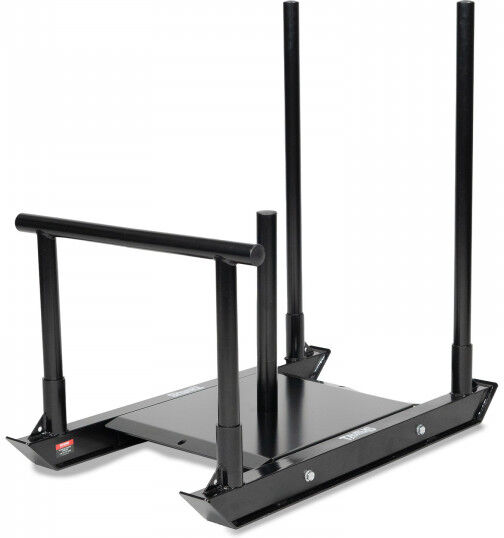
Taurus Power SledWith the rise in functional fitness, the Taurus Power Sled is the perfect fit for users looking for a robust training tool to build explosive strength. The Taurus Power Sled comes with two handle types to vary your training focus and features a carabiner attachment point for more exercise...179,10 £*Shipping: 0,00 £Secure redirect to the provider
-
How should we characterize the German world power politics of Wilhelm II?
The German world power politics of Wilhelm II can be characterized as aggressive and expansionist. Wilhelm II sought to assert Germany's dominance on the world stage through a policy of militarism and colonial expansion. He pursued a policy of building up the German navy and engaging in a naval arms race with Britain, as well as pursuing alliances and territorial acquisitions in Europe and beyond. This aggressive approach ultimately contributed to the tensions and rivalries that led to the outbreak of World War I. **
-
Do you know specific examples of the abuse of power in politics?
Yes, there are numerous examples of the abuse of power in politics. One example is the Watergate scandal in the United States, where President Richard Nixon and his administration were found to have engaged in illegal activities, including the break-in at the Democratic National Committee headquarters, in an attempt to gain an unfair advantage in the 1972 presidential election. Another example is the corruption scandal involving former South Korean President Park Geun-hye, who was impeached and later convicted of abuse of power and bribery. These cases demonstrate how those in positions of power can abuse their authority for personal or political gain, leading to significant consequences for themselves and their countries. **
-
'Power seizure or power delegation?'
Power seizure refers to the act of forcefully taking control or authority without consent, often through coercion or violence. On the other hand, power delegation involves the voluntary transfer of authority or responsibility from one individual or group to another. While power seizure is typically seen as illegitimate and undemocratic, power delegation can be a strategic and legitimate way to distribute power and promote collaboration within organizations or societies. Ultimately, the distinction between the two lies in the manner in which power is acquired and exercised. **
-
'Power seizure or power transfer?'
Power seizure refers to the forcible takeover of power or authority, often through illegal or undemocratic means. This can involve a coup d'état, military intervention, or other forms of coercion. On the other hand, power transfer refers to the peaceful and legitimate transfer of power from one leader or government to another, typically through democratic processes such as elections or constitutional succession. The distinction between the two is crucial for the stability and legitimacy of a government, as power seizure can lead to instability and conflict, while power transfer upholds the rule of law and democratic principles. **
* All prices are inclusive of VAT and, if applicable, plus shipping costs. The offer information is based on the details provided by the respective shop and is updated through automated processes. Real-time updates do not occur, so deviations can occur in individual cases. ** Note: Parts of this content were created by AI.